
performance
WHEN IN RO/AM
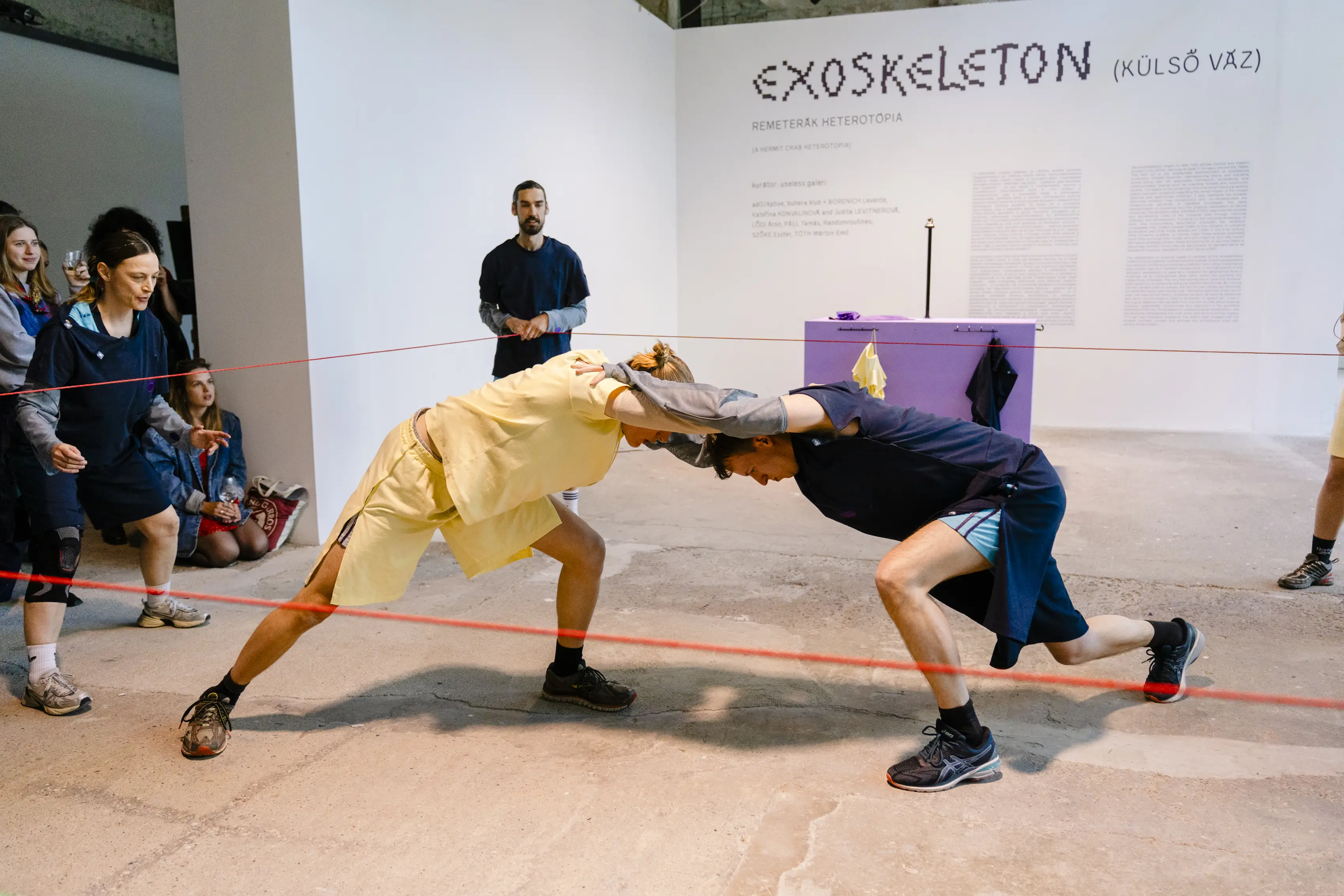
Photo © Zsuzsi Simon
do as us users do
Most of our contemporary socialization is mediated. Currently, companies specialized in these mediations hold a totalizing grip on our attention. We roam their platforms that are built in a logic which prioritizes interaction and popularity over deep and meaningful social bonds. We, users, are in a constant competition to stay relevant for our communities and in touch with the social. We, the “users”, are in constant competition for visibility and recognition. We wish to remain relevant to our communities and “bubbles” to stay in touch with them.In this pursuit, we produce vast amounts of personal data that is harvested by these mega-platforms ( with the help of adaptive algorithms) and reused or sold for profit. In this way, our social instinct becomes a resource. This abstraction alienates us users from our activity as producers of information. It is a form of invisible labour that generates high profits for large corporations in today’s data economy.
With WHEN IN RO/AM, do as us users do, we want to discuss and performatively demonstrate these current market tensions in a special international co-operation.
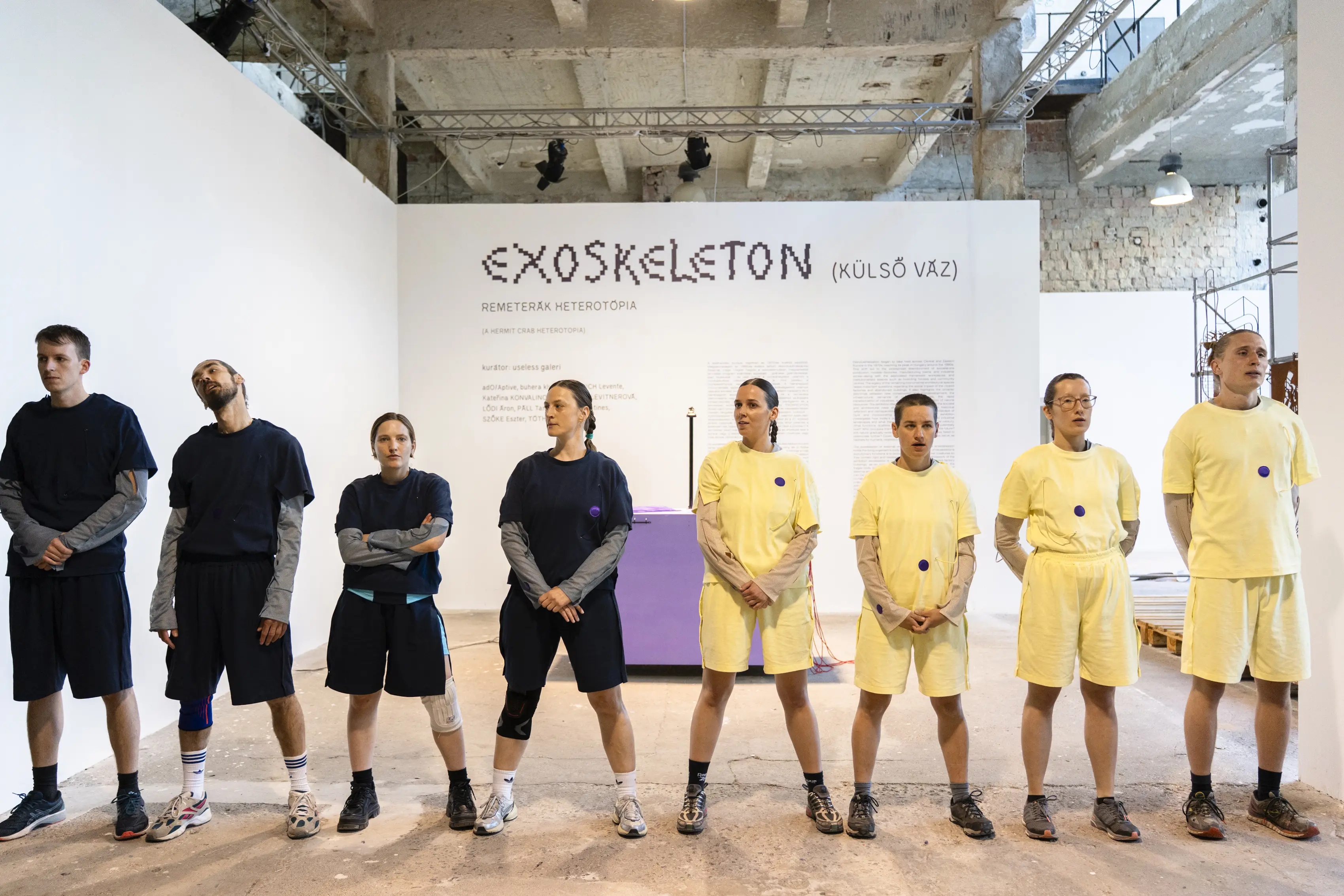
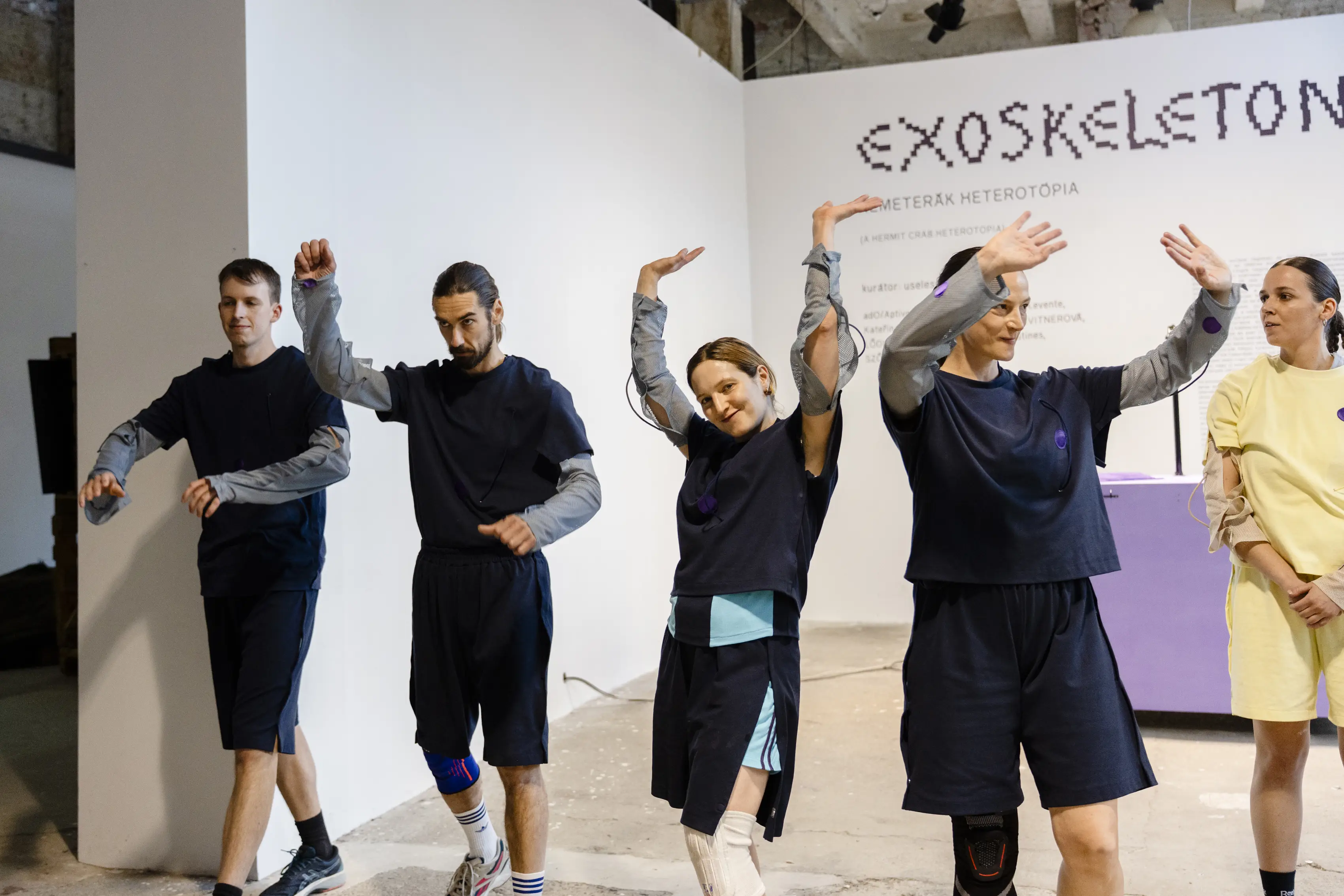
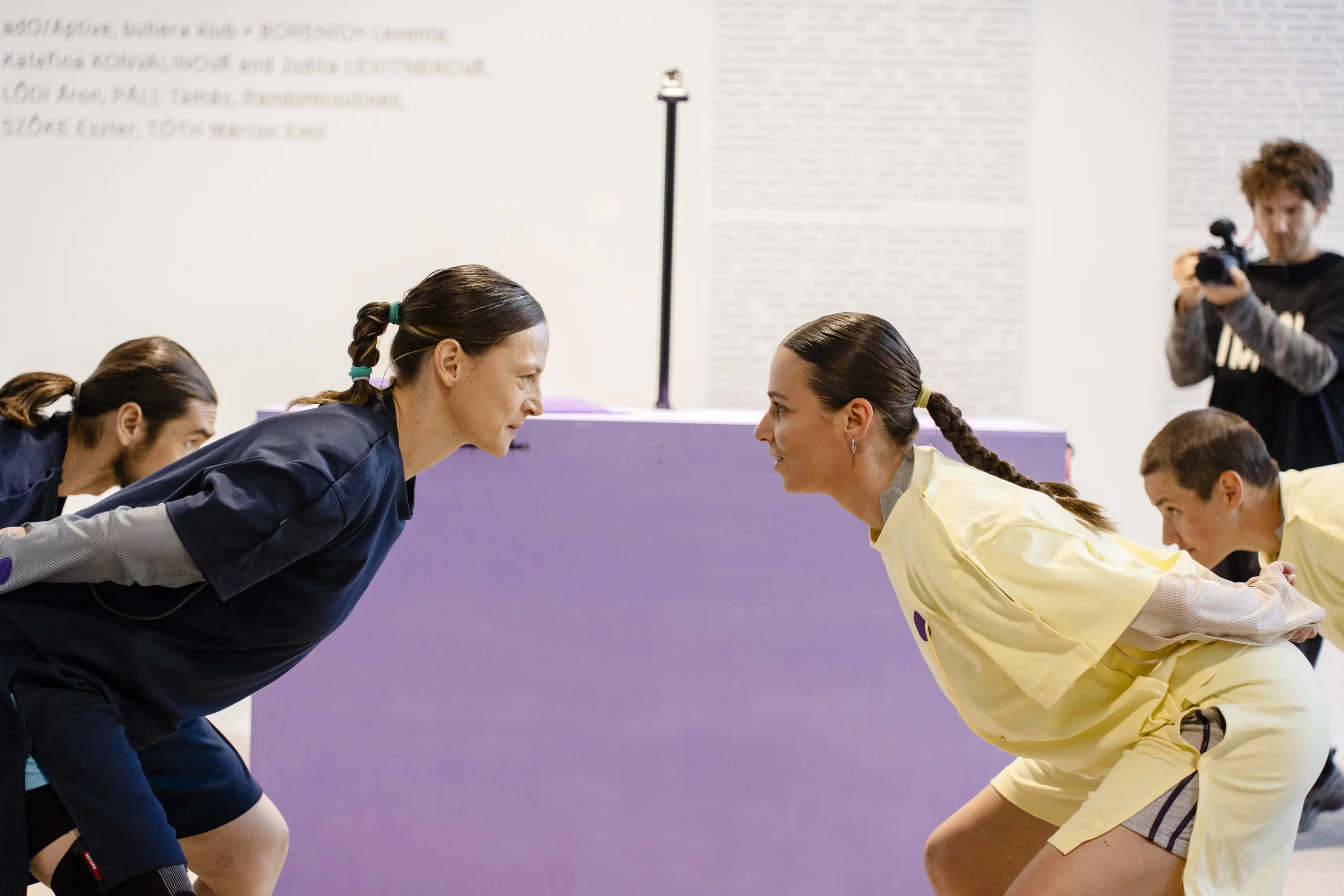
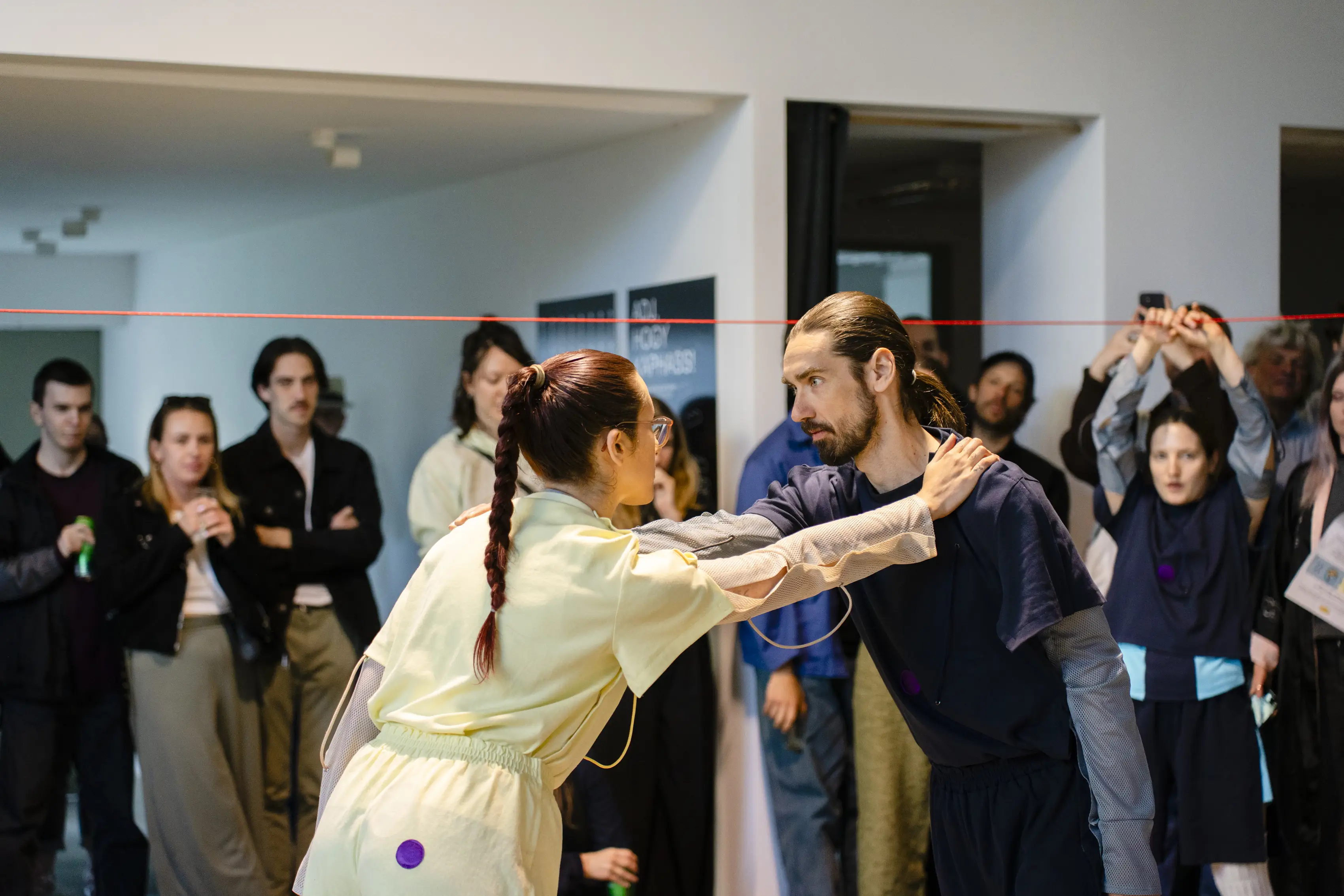
In this interactive performance, two teams compete in a competitive and dynamic game that is reminiscent of a mixture of fitness training and a game of tag. The teams have to catch the RFDI-coded information and ‘sacrifice’ the secrets from the audience in the Sacrificial Input Box. With this gesture, we allude to the precariousness of competition in an attention economy. Doesn’t the algorithm always benefit in the end?
The SIB operates on the semantic levels of monitoring and encrypting data. It transforms participation into a resource. In the course of the piece, which at some point extends to the audience through the various outputs, we stage the fragility of our online identities and the commercialisation of personal information.
WHEN IN RO/AM is a performative response to the post-information character of the extractive practices of platform capitalism. We do not want to criticise from the outside, but rather create a playful space that makes these dynamics tangible on a material and personal level. The totality of the information contained in the 50 QR codes is a site-specific database of valuable human infor- mation that mutates into a larger, collective artwork in a playful interaction between artists, scientists from different disciplines and spectators.
created by:
- adO/Aptive: Daniel H. Pineda (MX/AT) and Janina Weißengruber (AT),(concept, set-design, sound and production)
- Martin Gius (IT)
(game mechanics, hardware for the Sacrificial Input Box, general technical setup)
- Tamara Zs. Vadas (HU)
dramaturgy and the movements)
- Iris Fabre (FR)
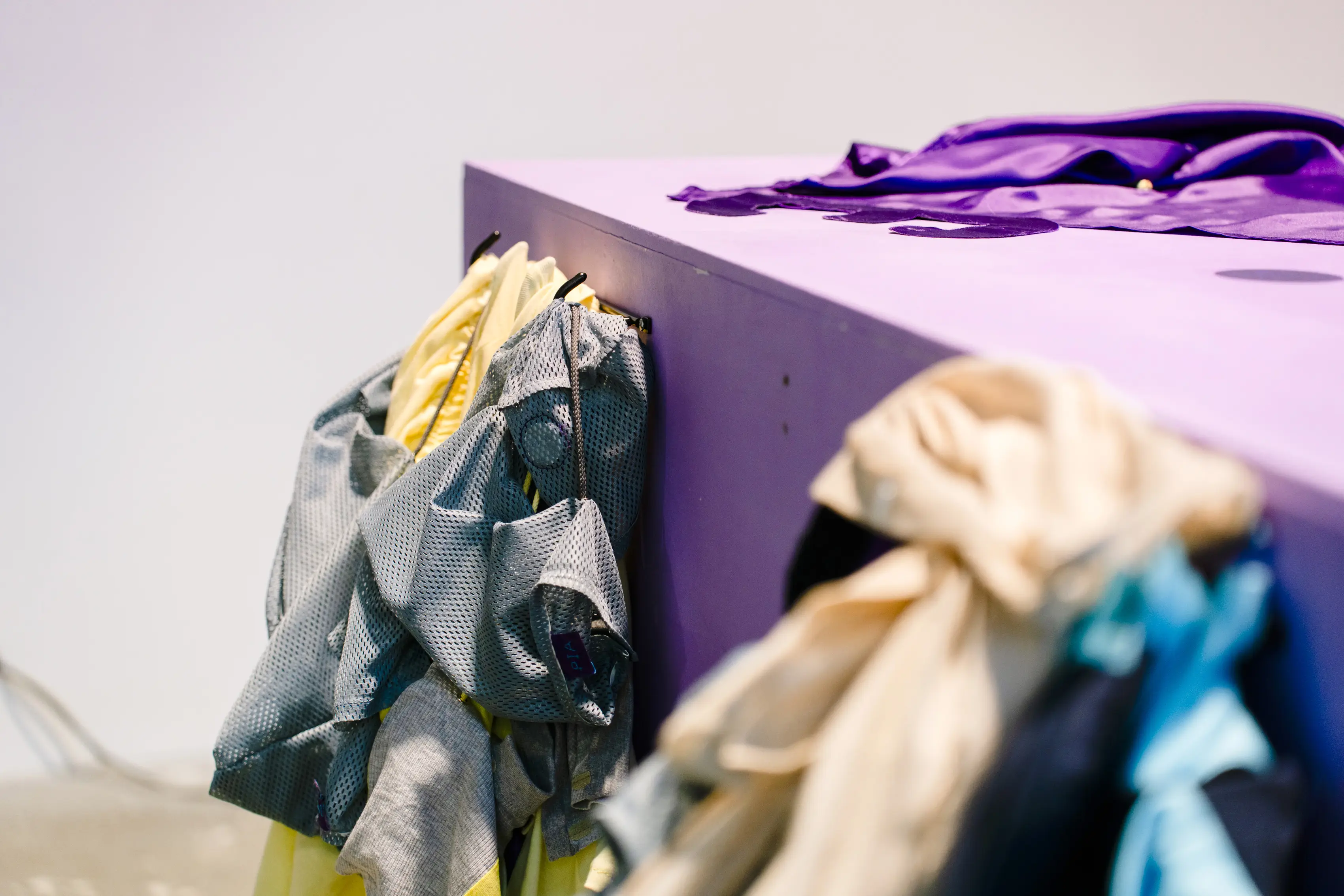
(interactive and transformable costume)
performed by:
Felix DiefenhardtTeuta Jonuzi
Lili Raubinek
Aimé Schikora
Tamara Zs. Vadas
Imre Vass
Julcsi Vavra
Pia Wurzer
In the frame of the exhibition EXOSKELETON
curated by Useless Galeri (assisted by Benedek Farkas)
10.5. – 06.06.25
Torula Kunsthalle, Györ
Participating artists:
AdO-Aptive (Janina Weißengruber and Daniel Hüttler), Buhera klub (Anna SERESS & Anna ZSOLDOS) + Levente BORENICH, Kateřina KONVALINOVÁ and Judita LEVITNEROVÁ, Áron LŐDI, Tamás PÁLL, Randomroutines (Tamás KASZÁS & Krisztián KRISTÓF), Eszter SZŐKE, Márton Emil TÓTH
Exhibition text:
The exhibition titled “EXOSKELETON” examines the societal and architectural roles of the industrial past through historical reflection and critical retrospection. Focusing on the industrial landscape of Győr and incorporating speculative concepts, the exhibition investigates how today’s people relate to the remains of industrial landscapes and what these spaces can mean in the 21st century. What potential functions, qualities, or futures might these spaces hold? Who occupies them today, and who might do so in the future? Will nature gradually reclaim these environments, or are they fated to deteriorate further? Could they be repurposed, or perhaps serve as habitats for humans, vegetation, or other forms of life?
BMKÖS & Austrian Cultural Forum Budapest
Performance Documentation
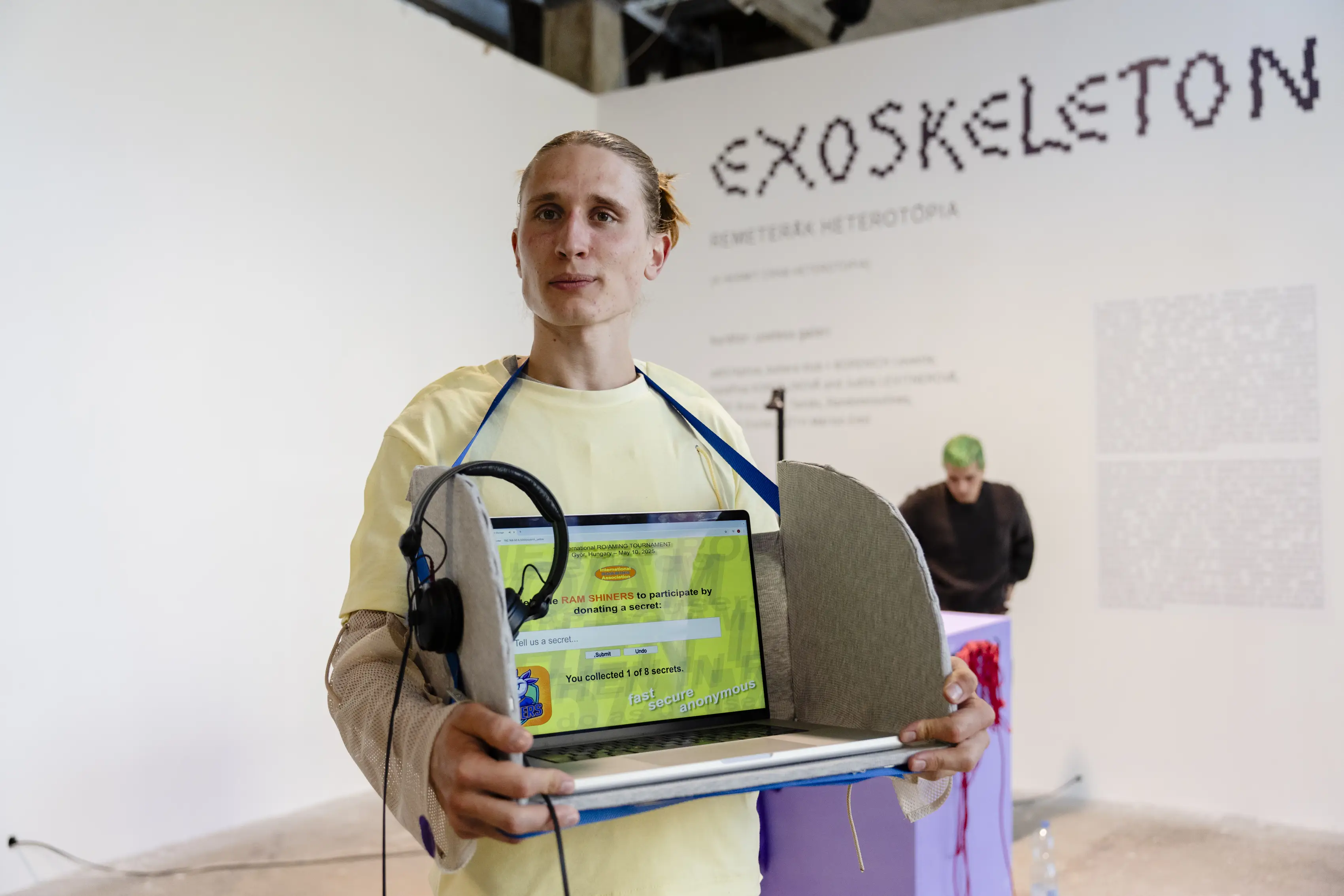
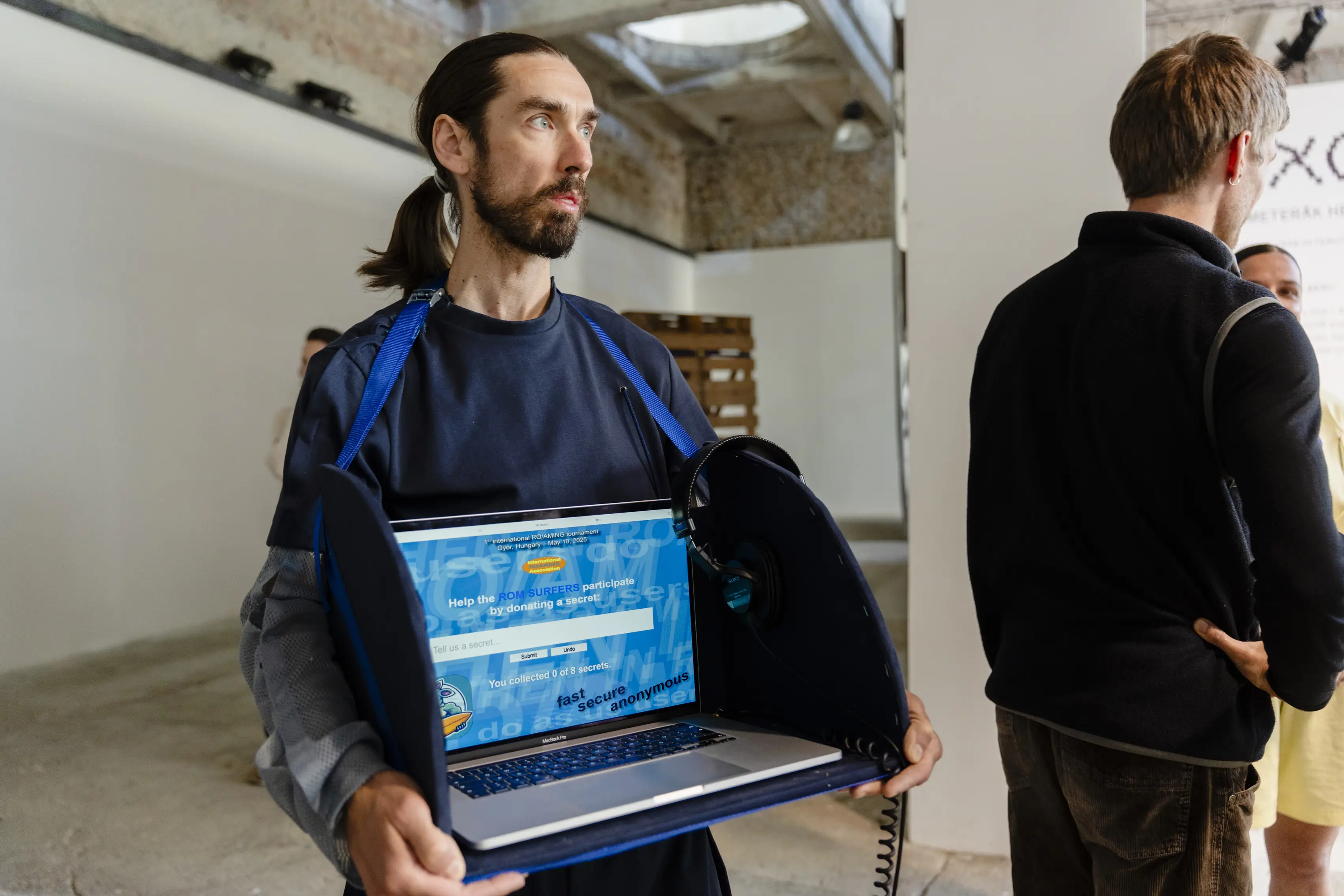
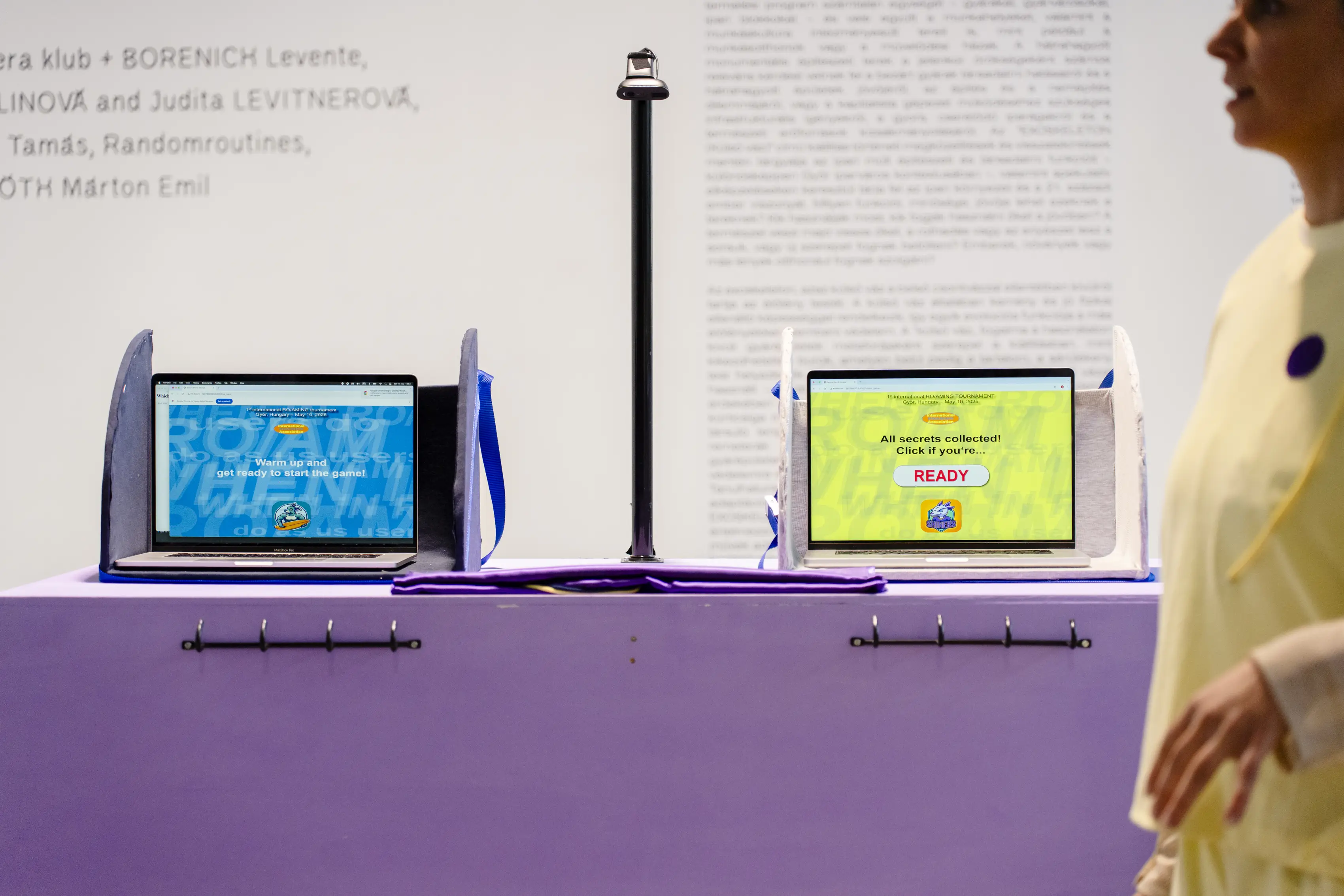
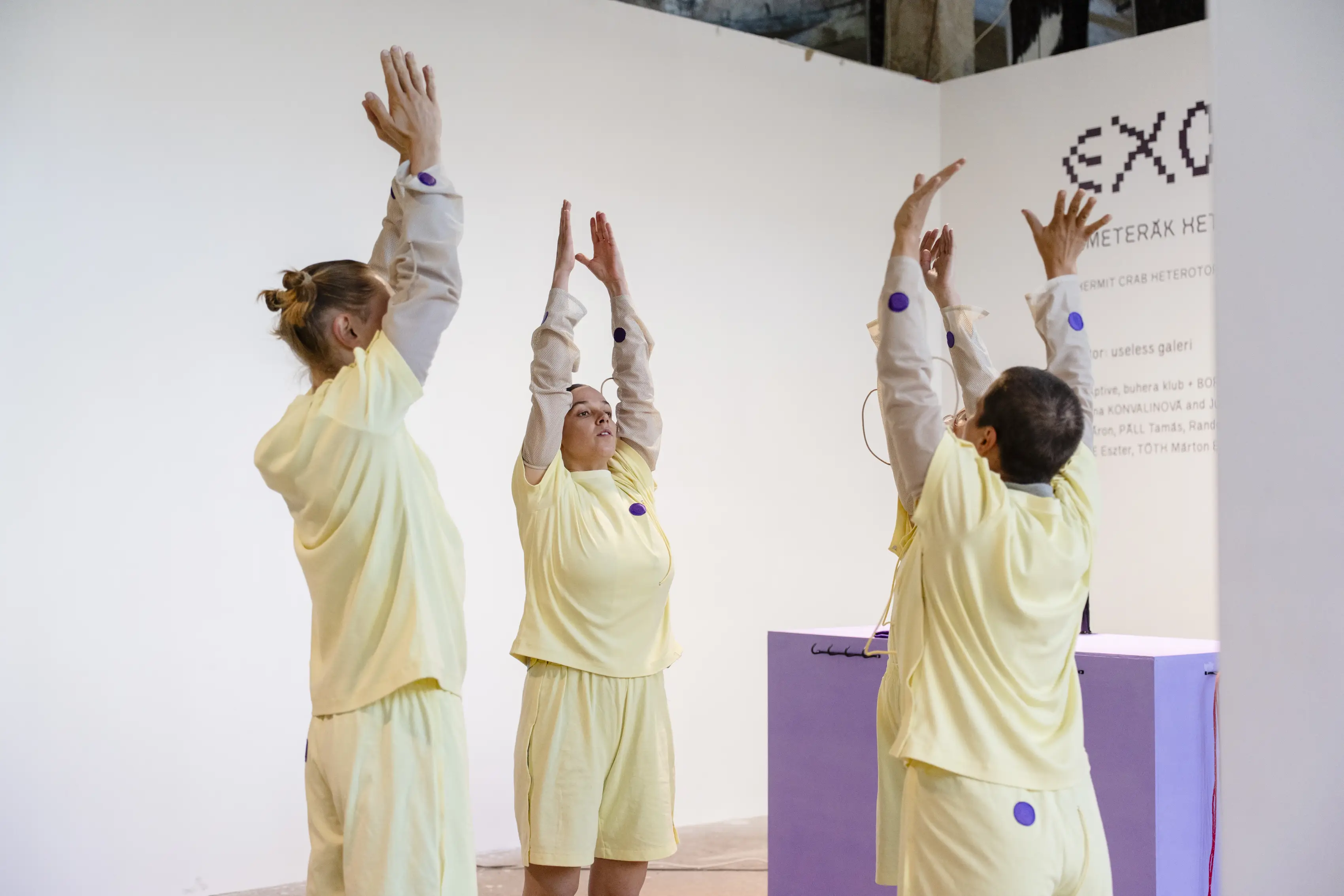
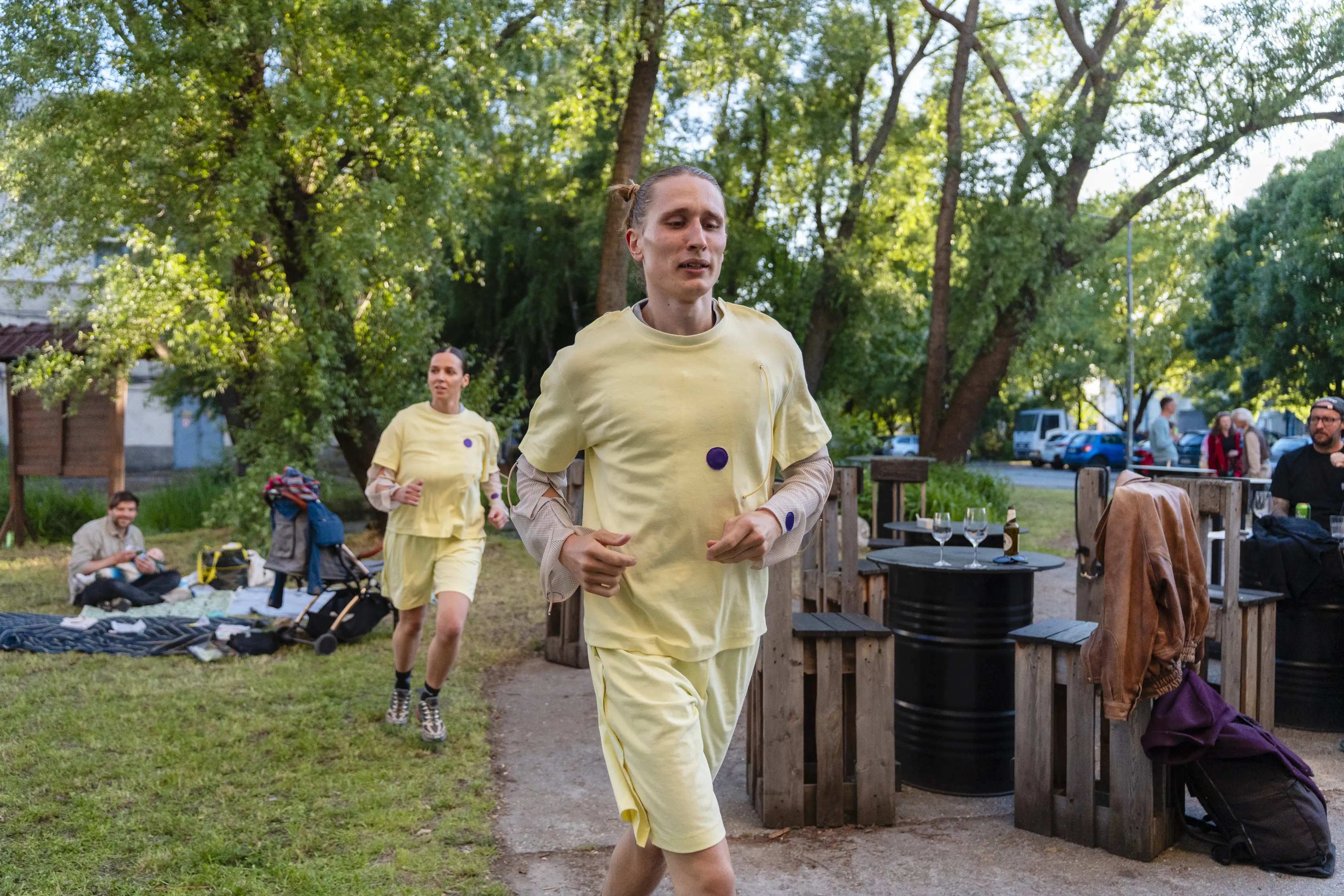
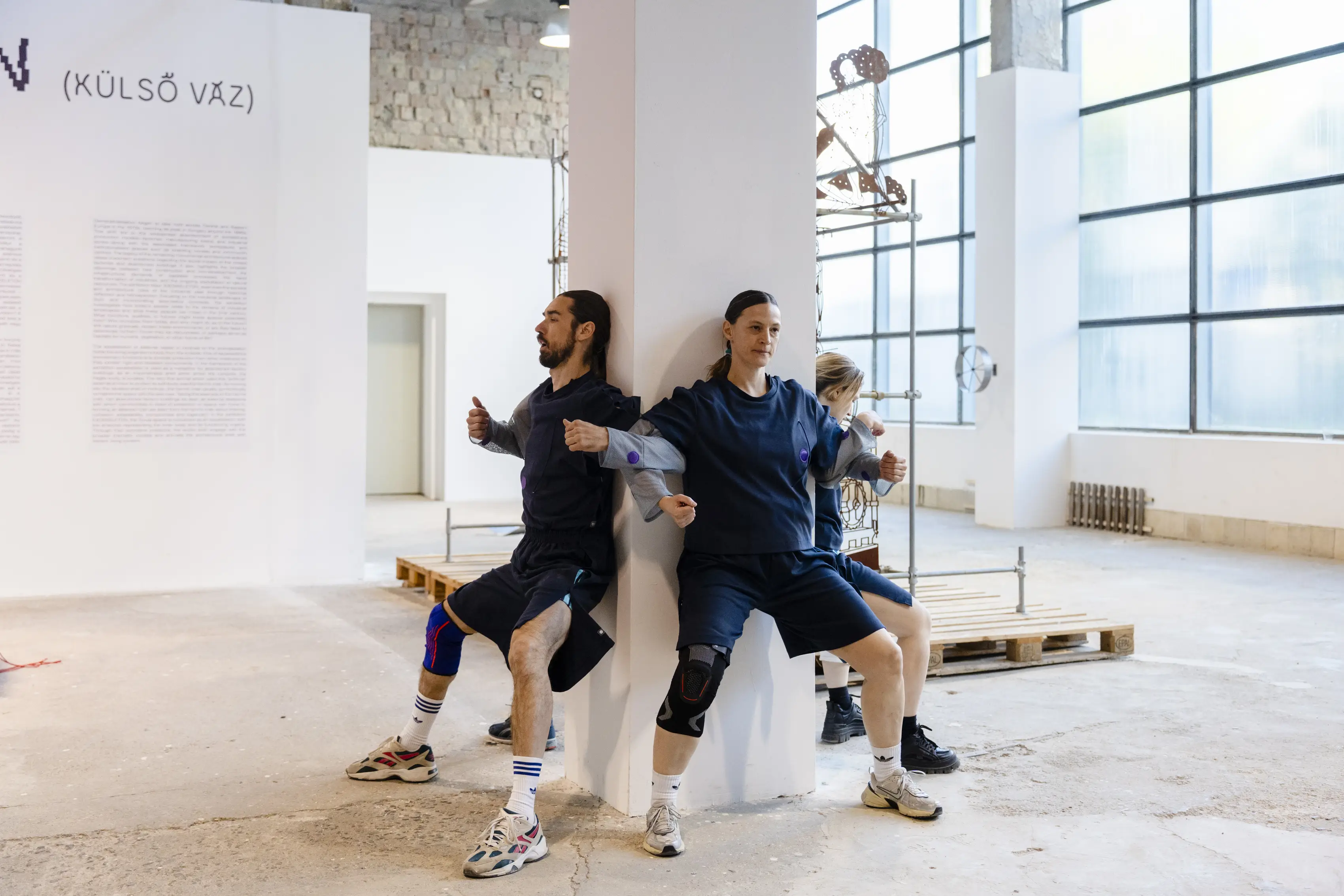
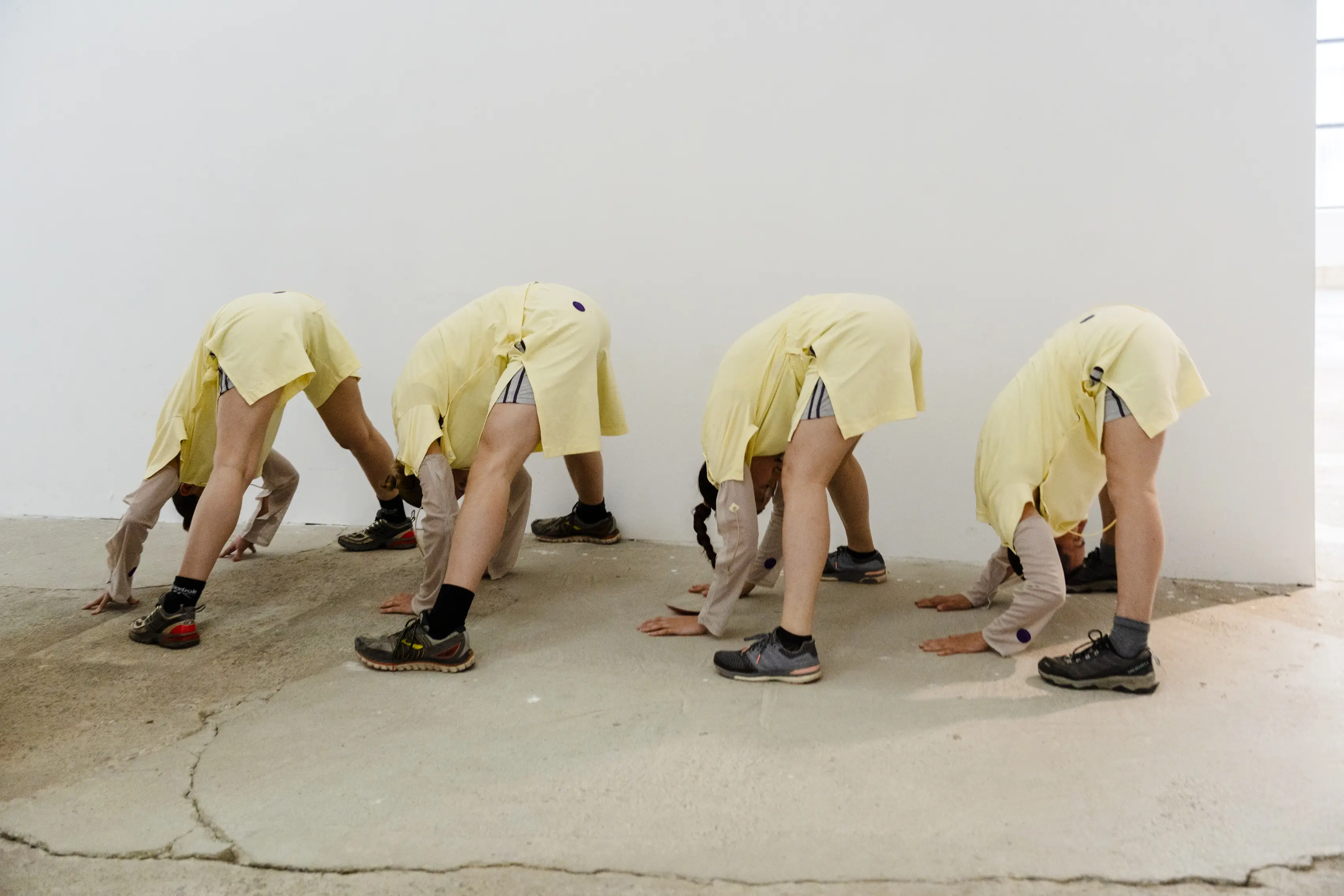
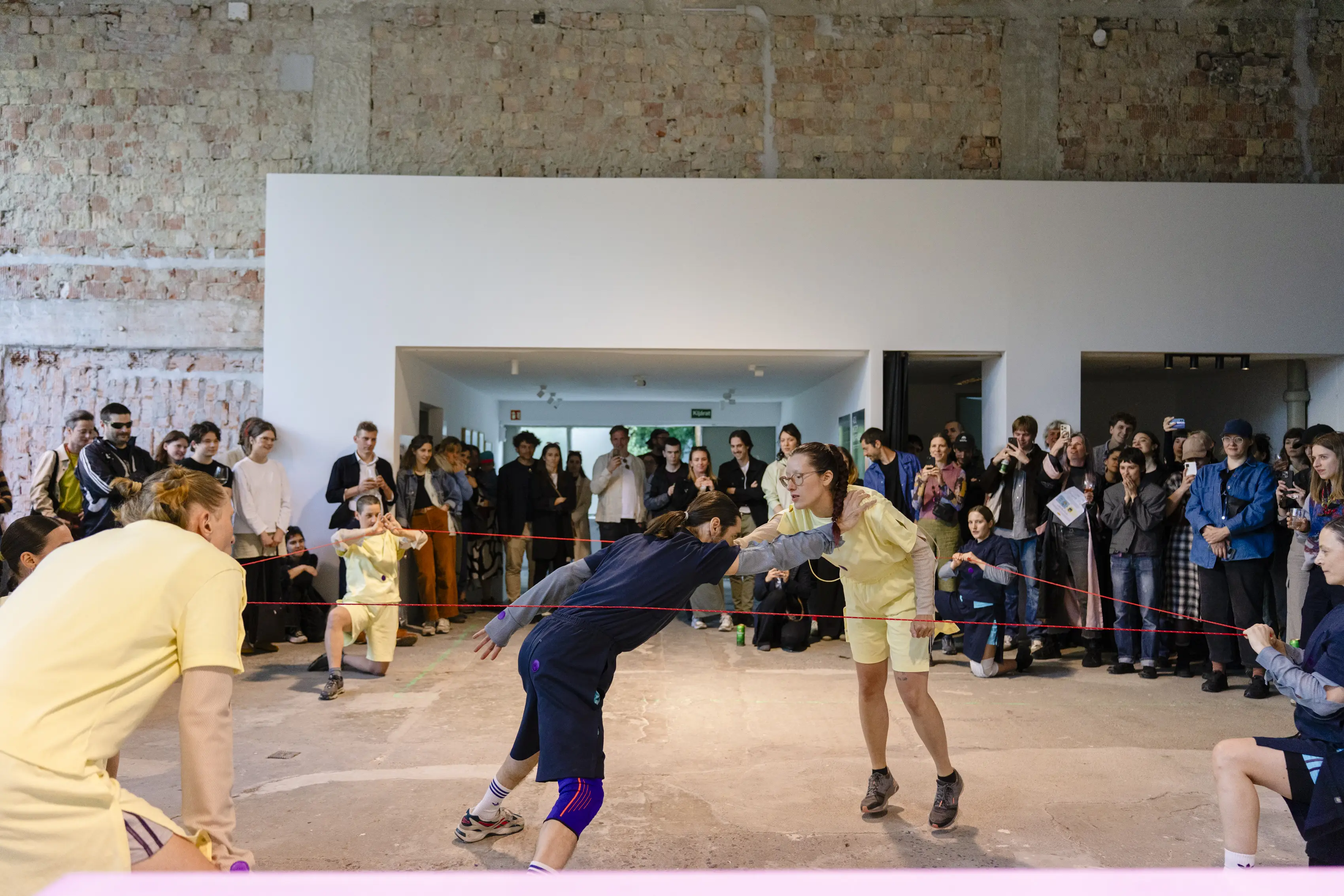
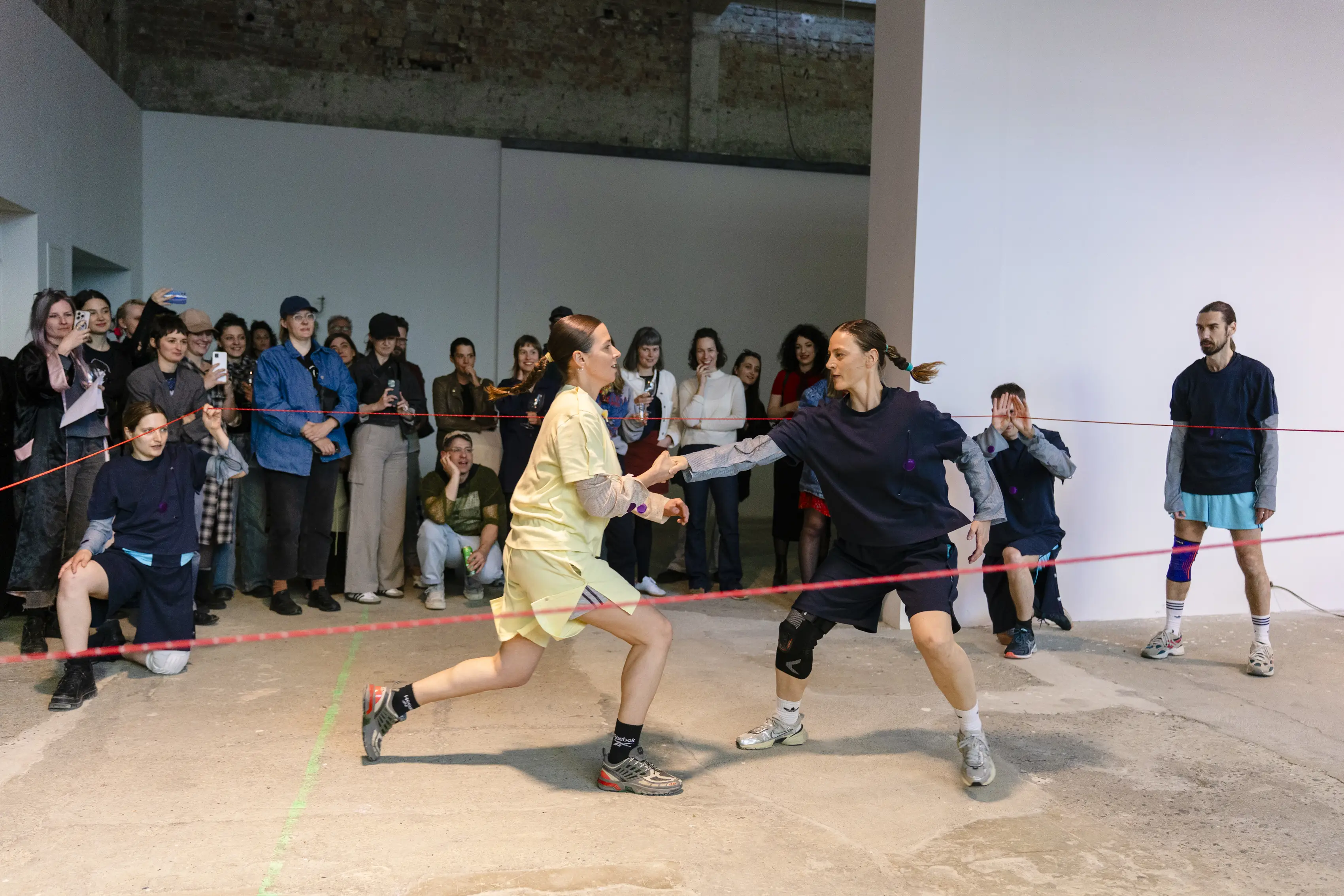
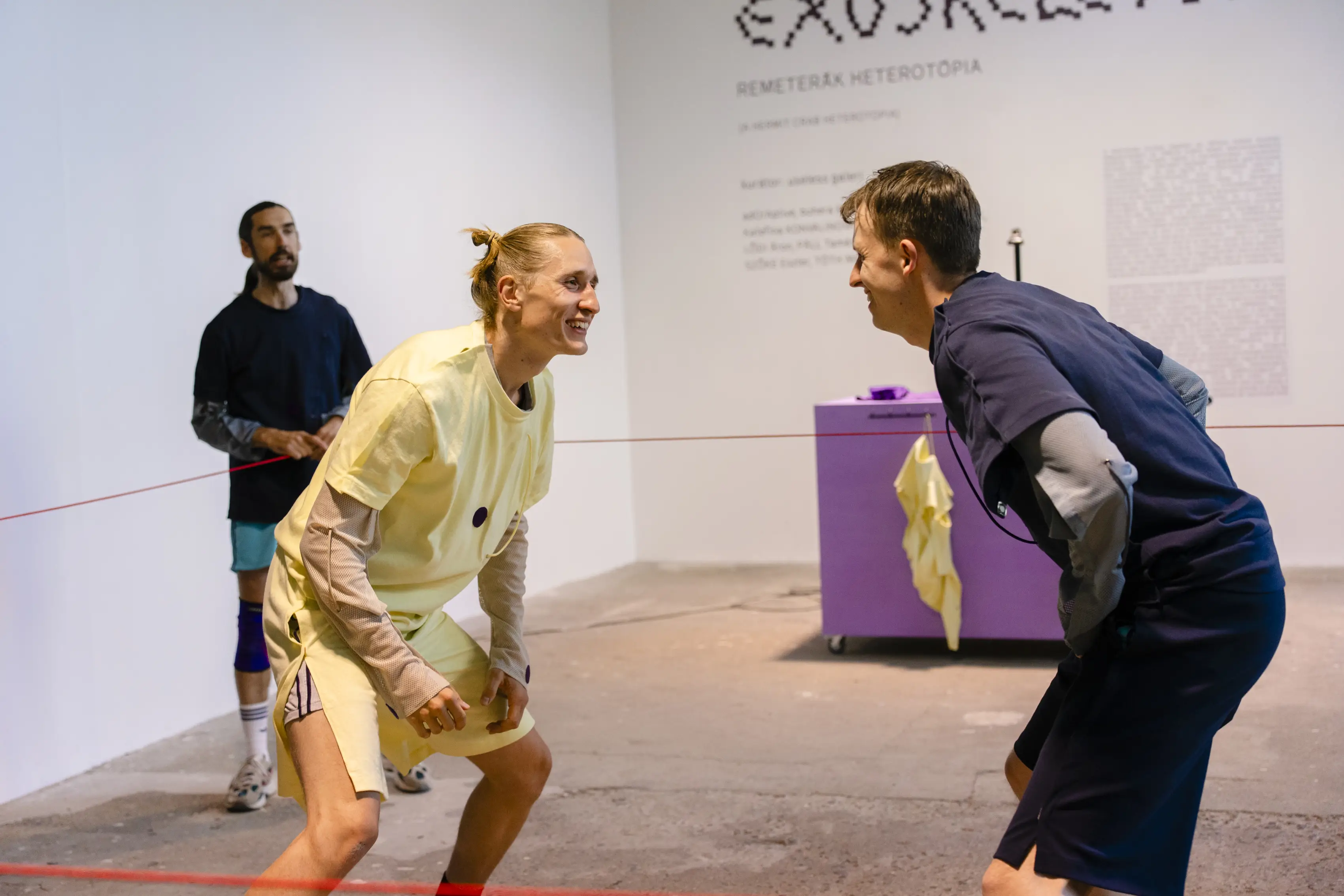
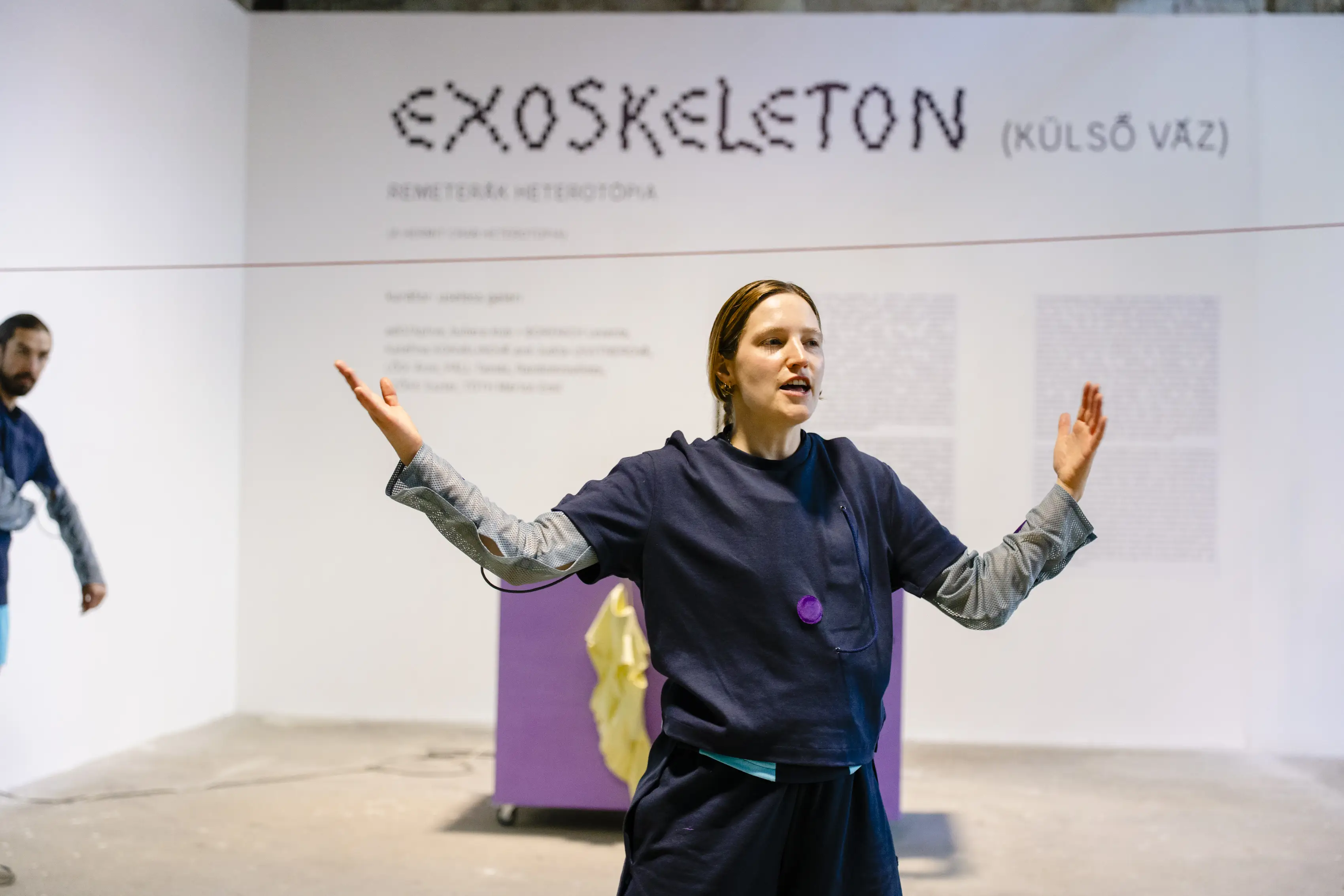
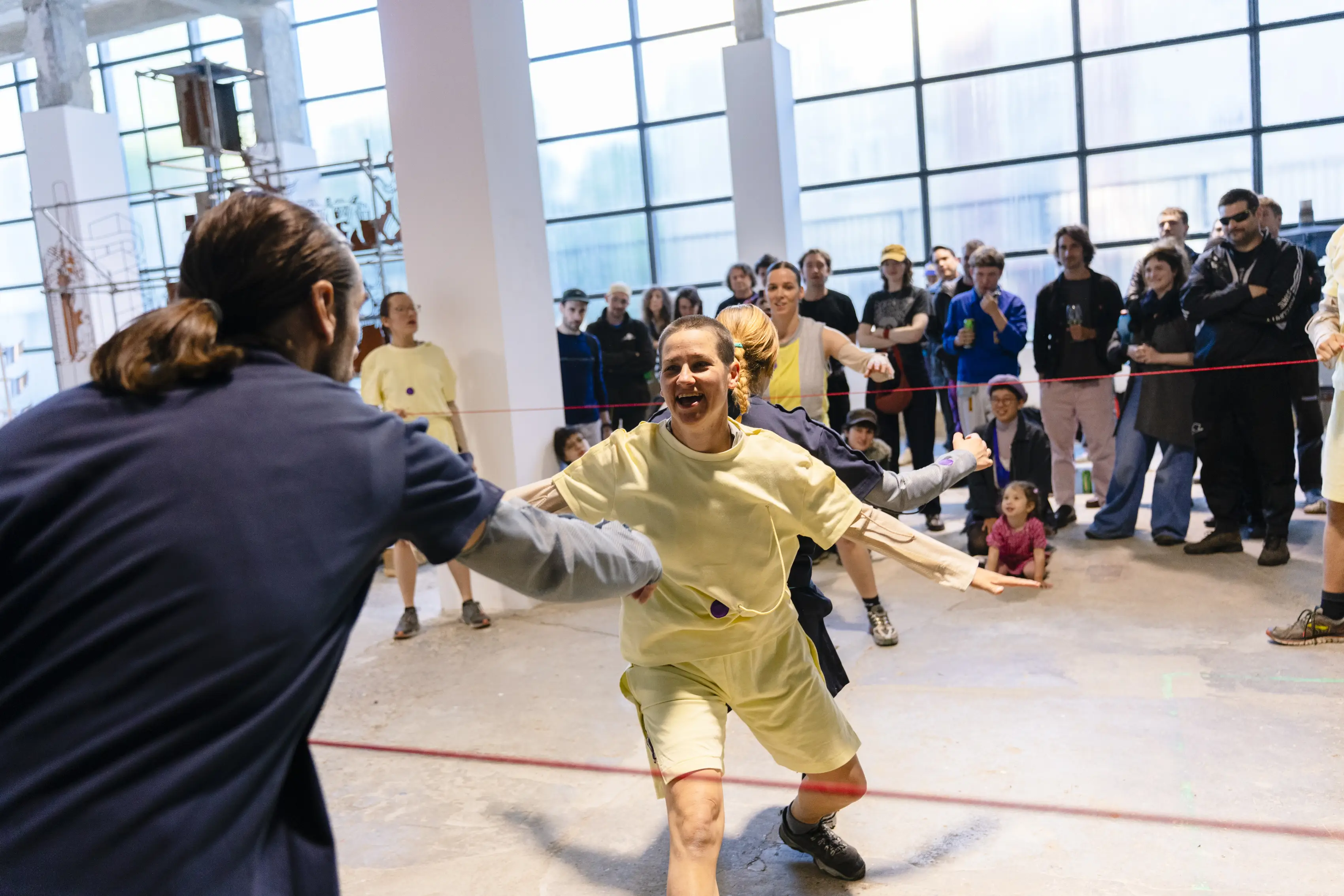
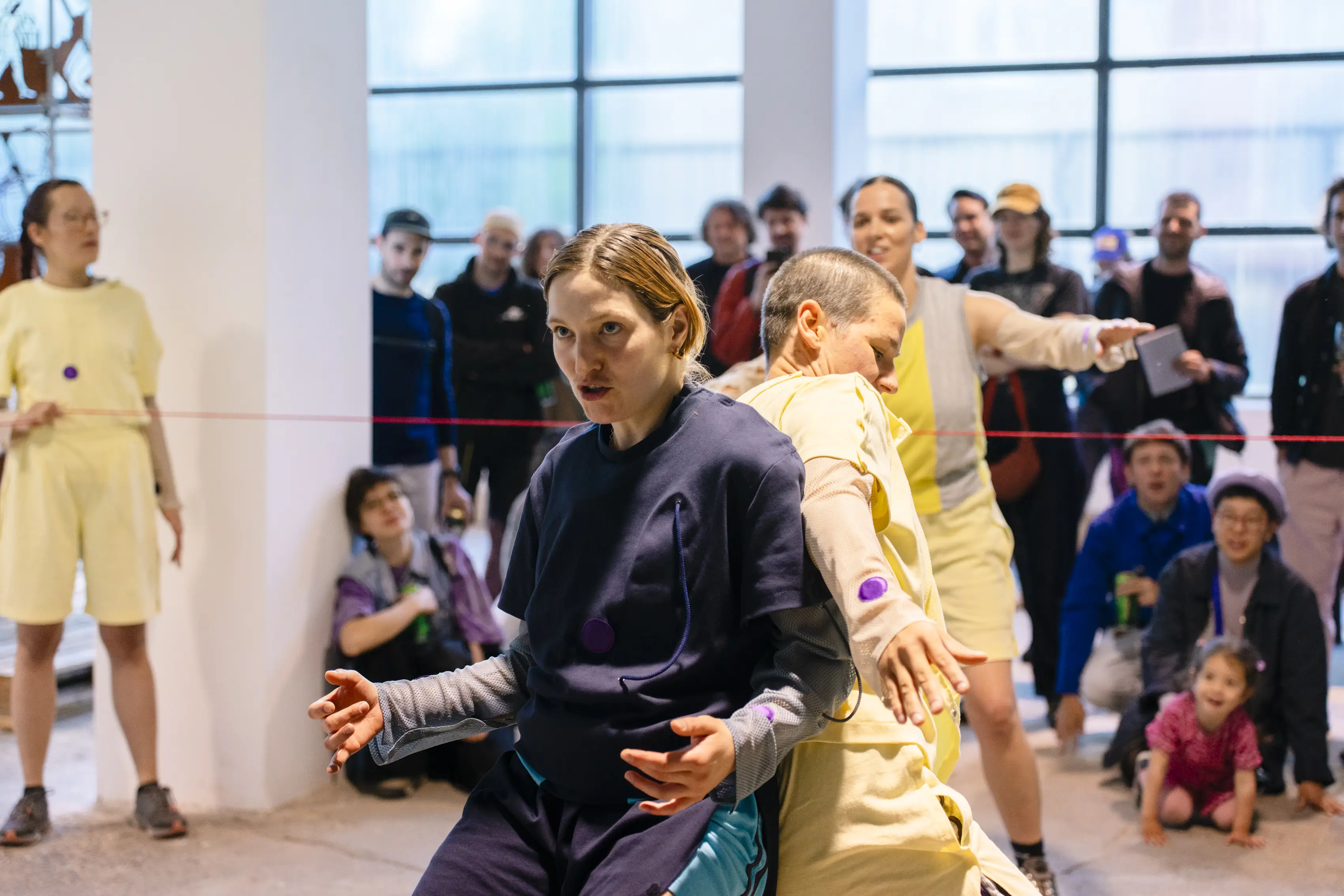
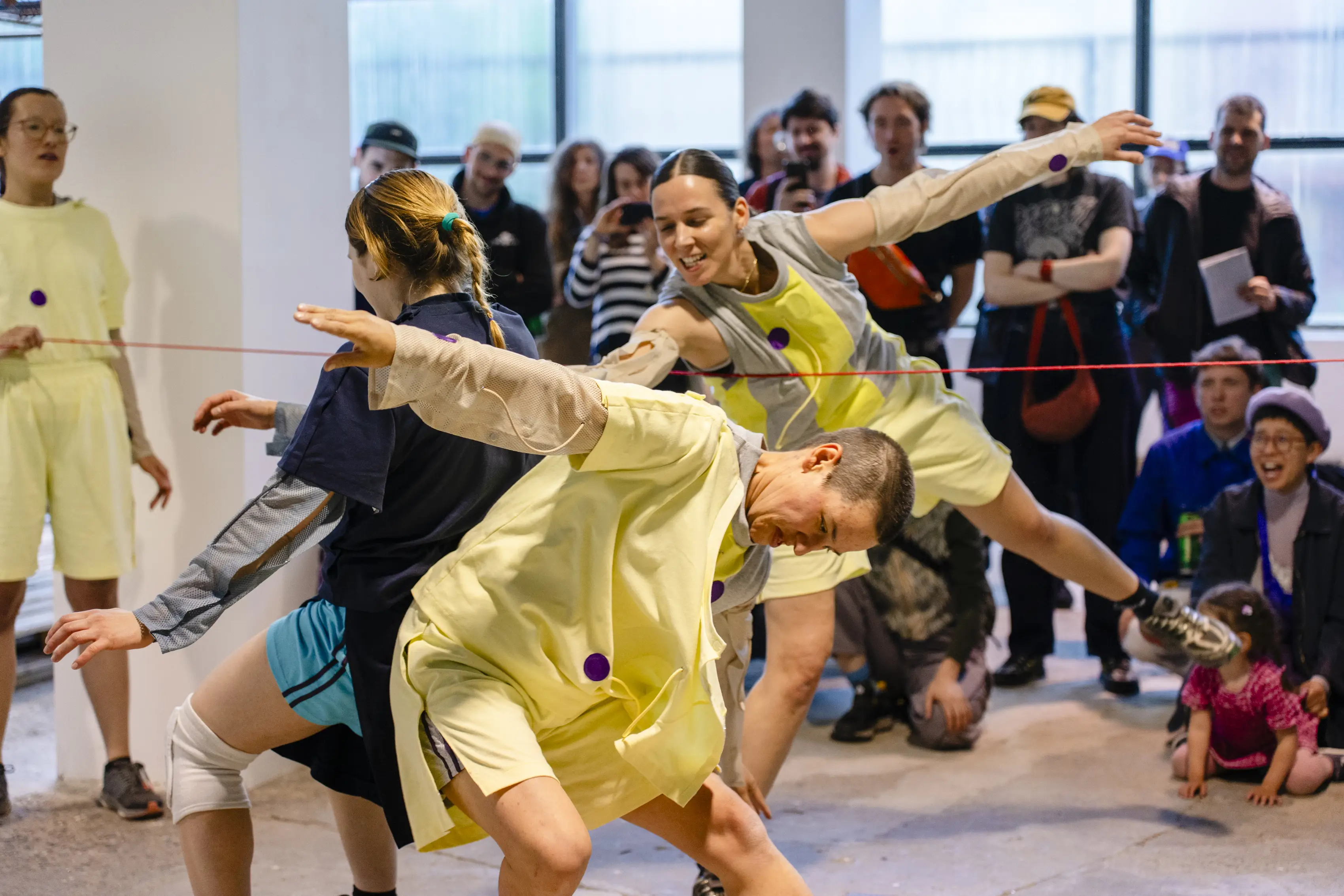
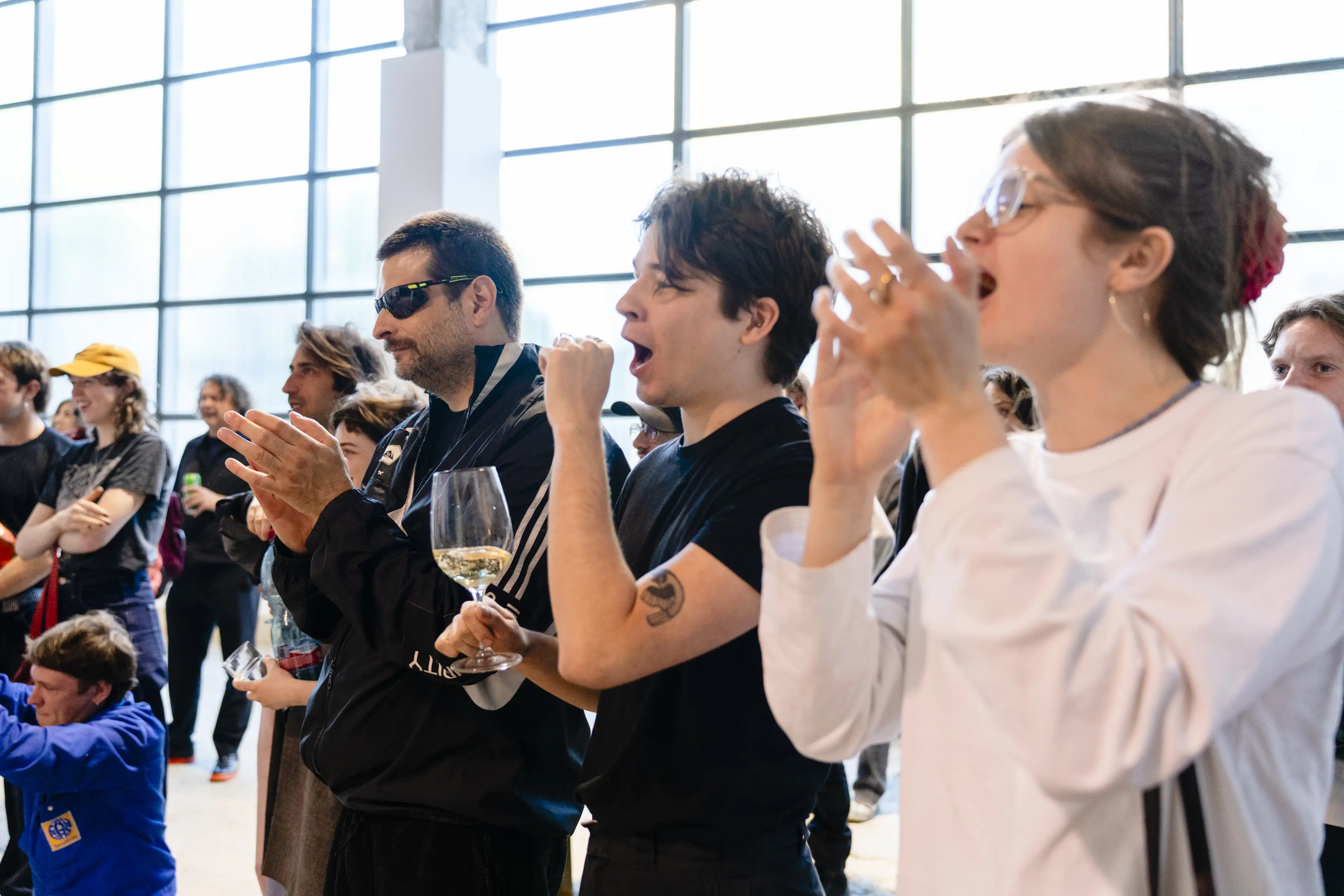
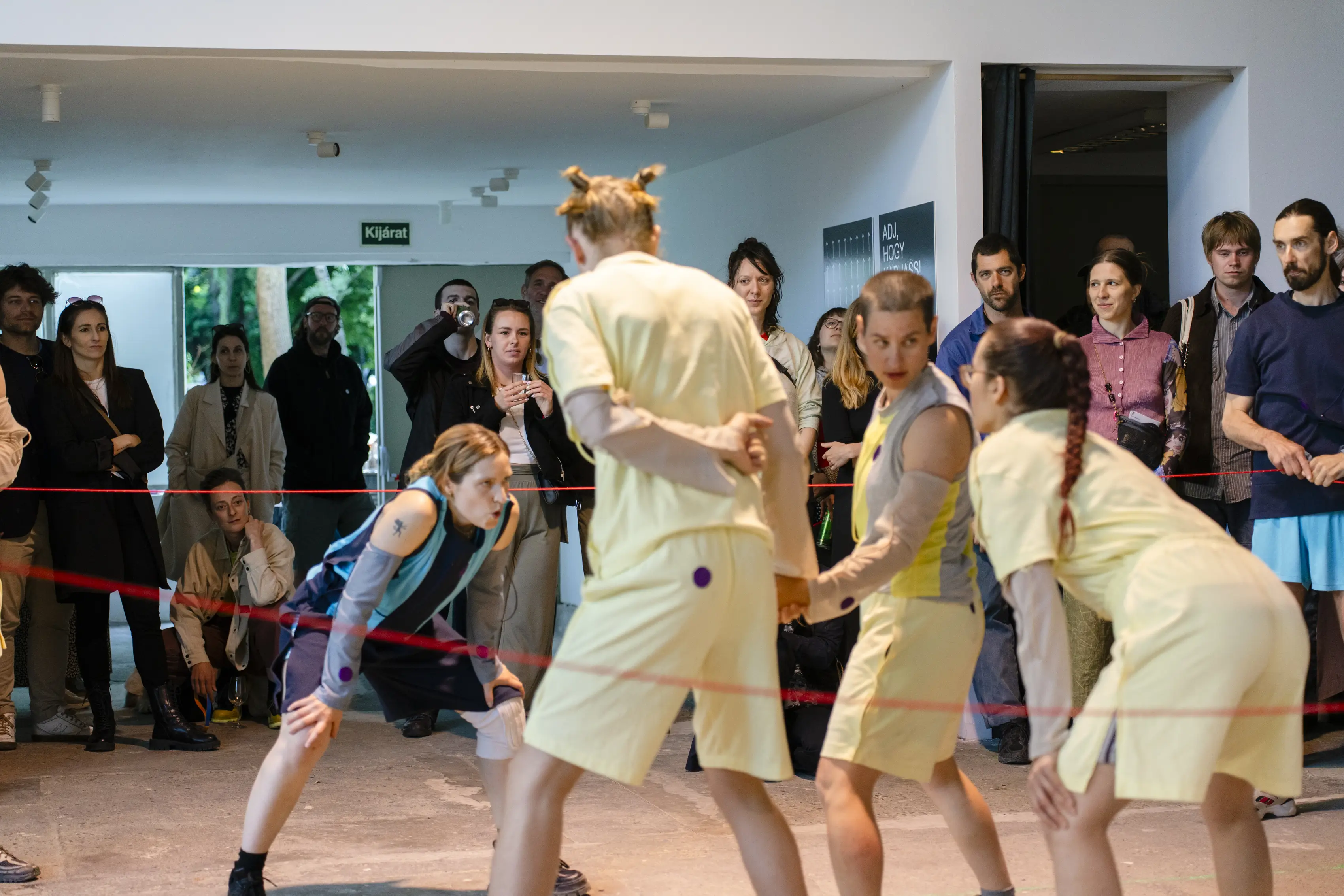
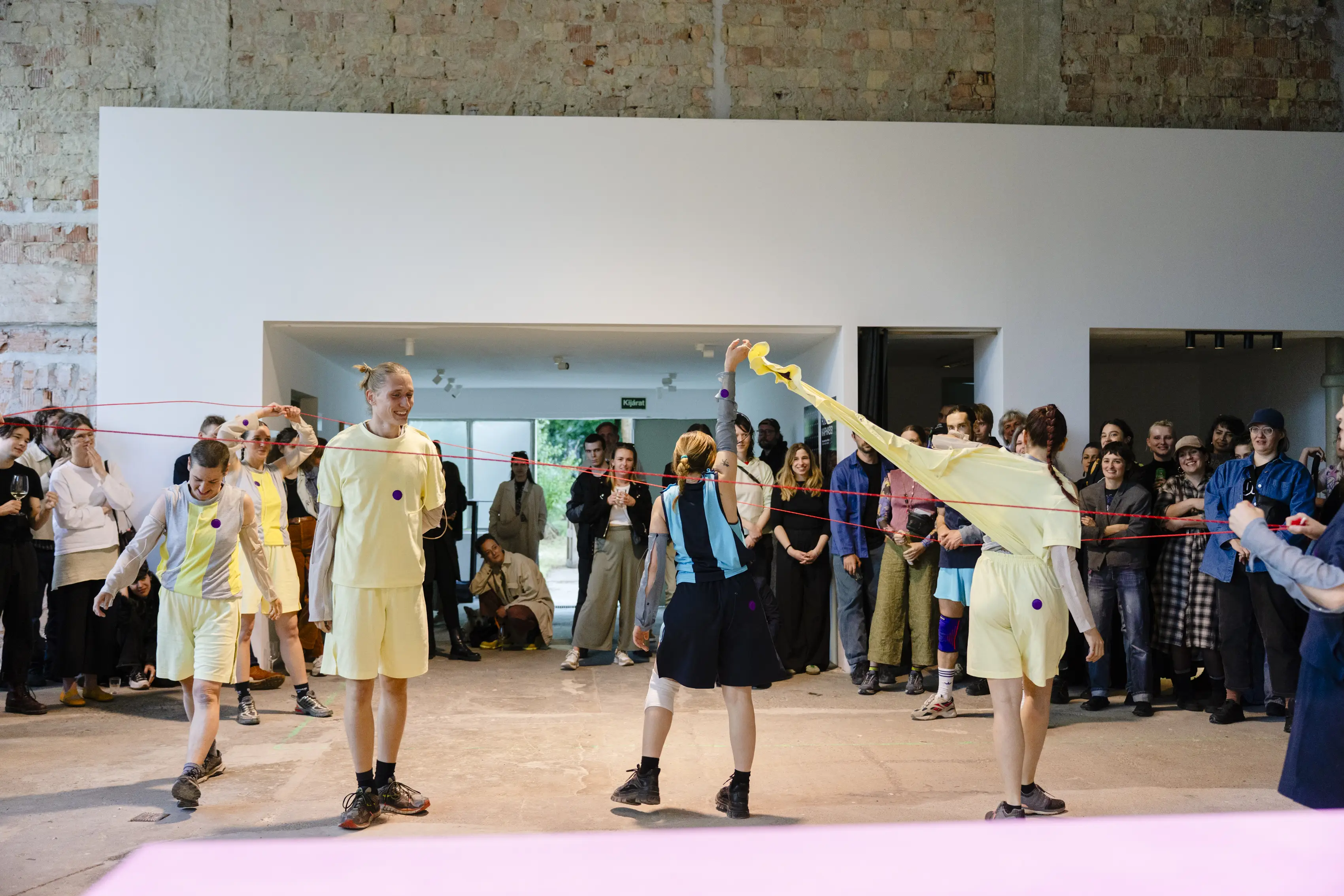
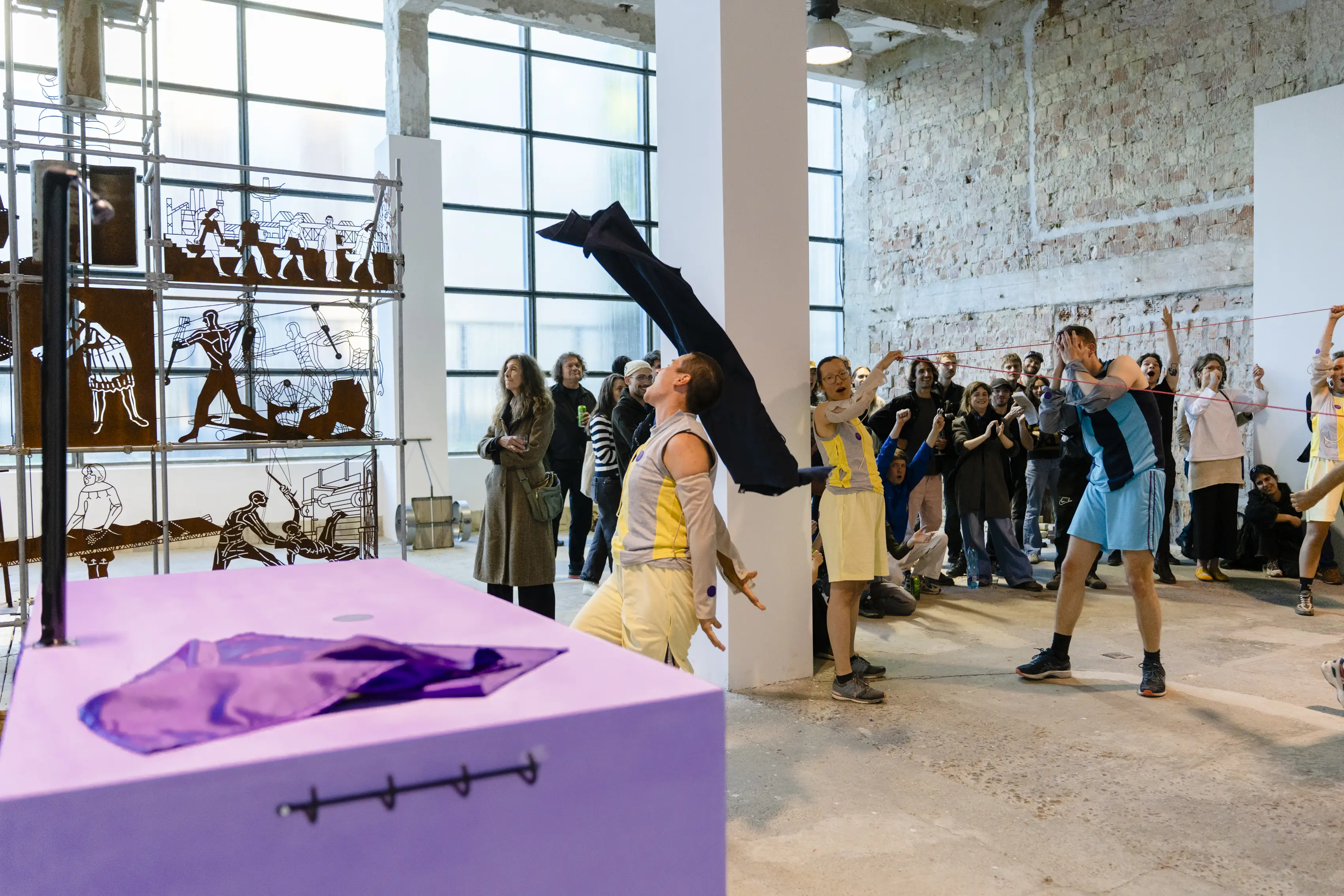
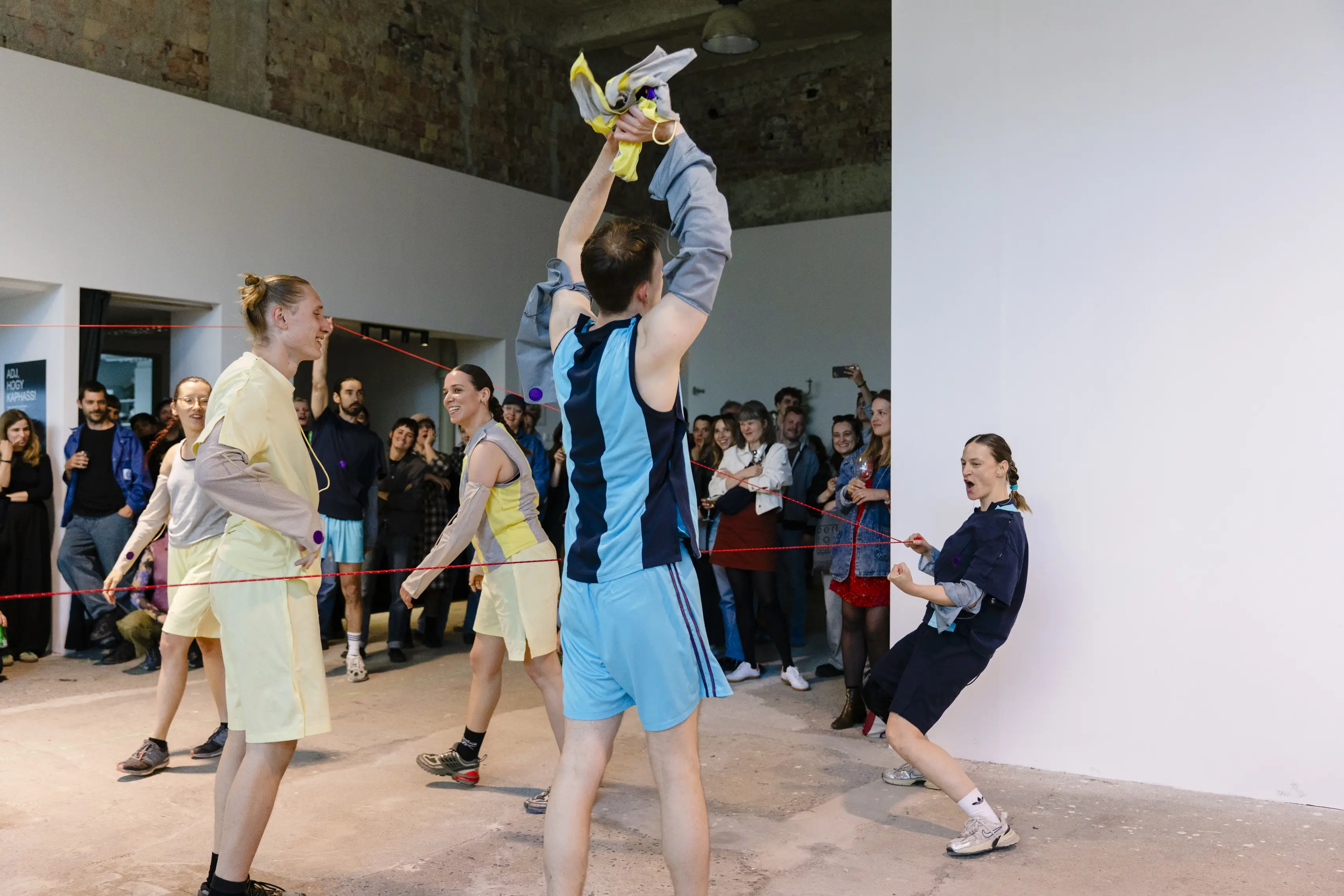
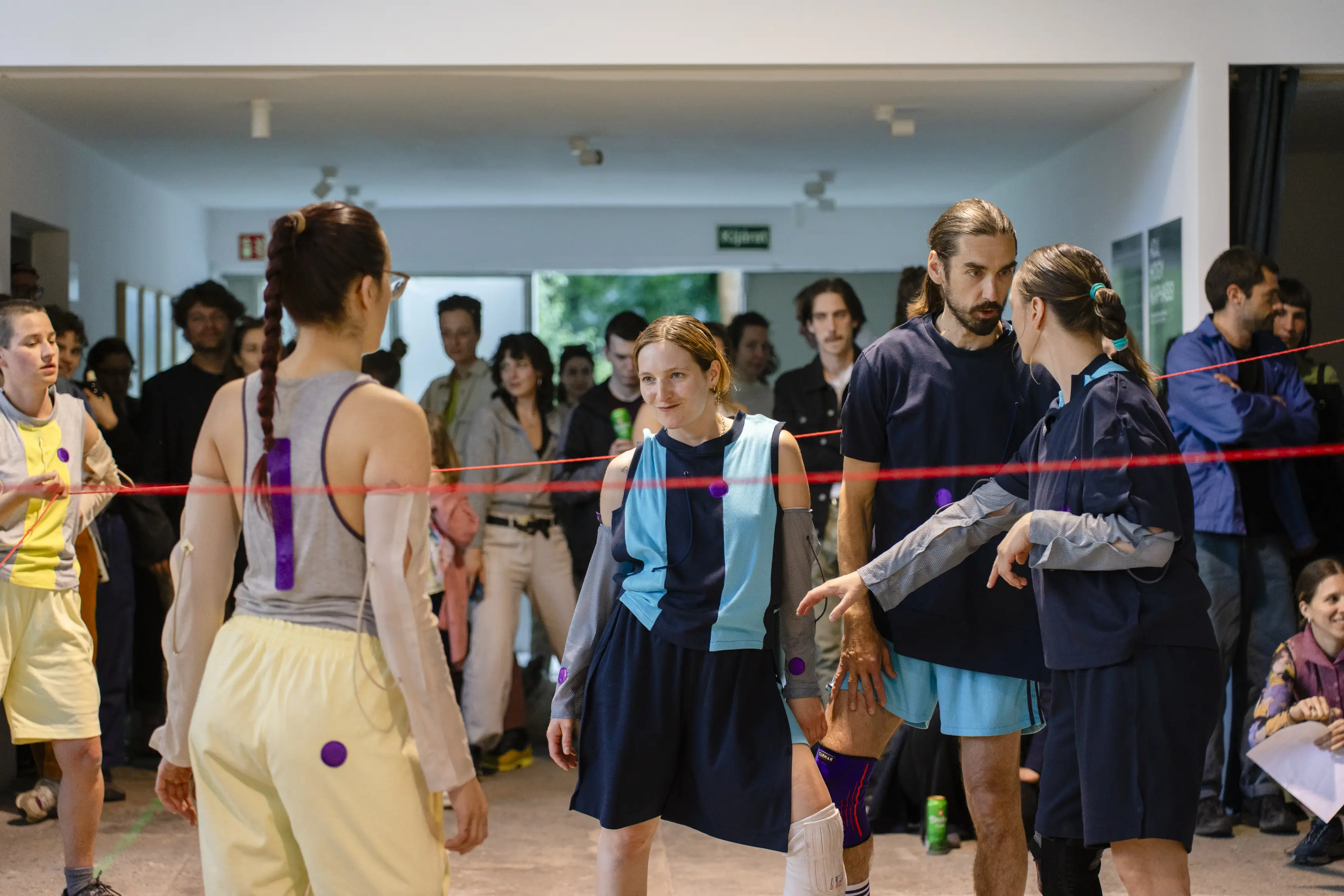
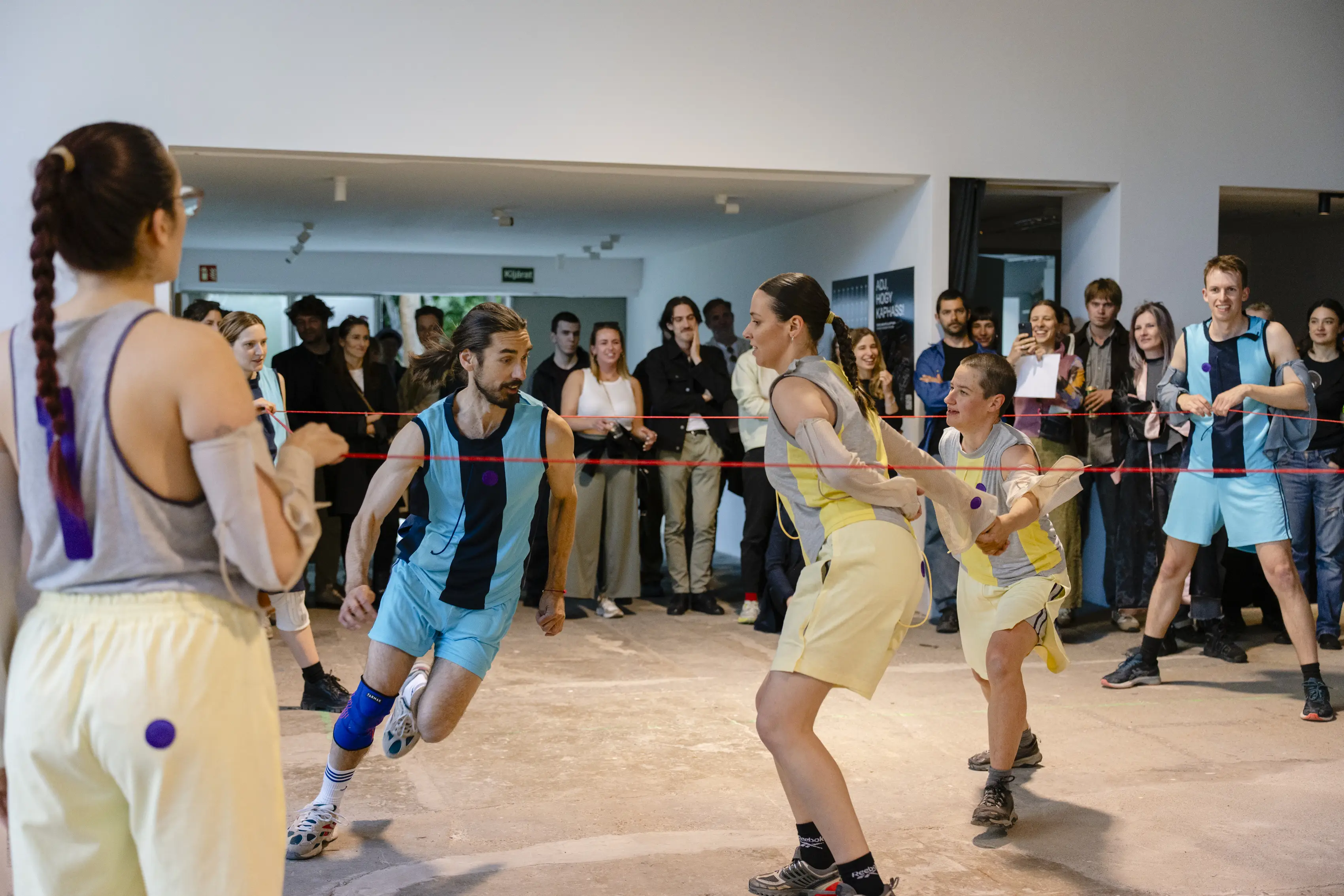
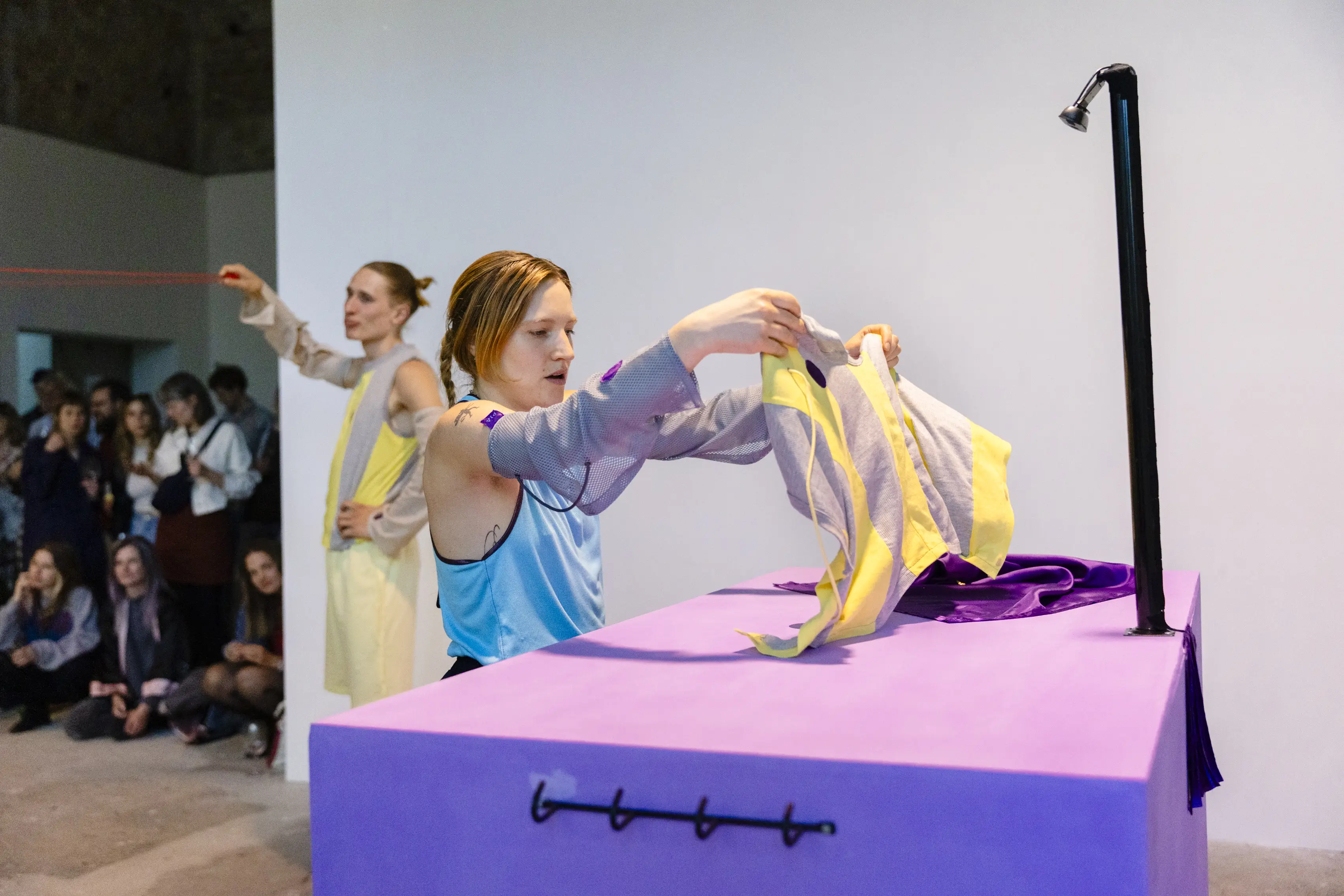
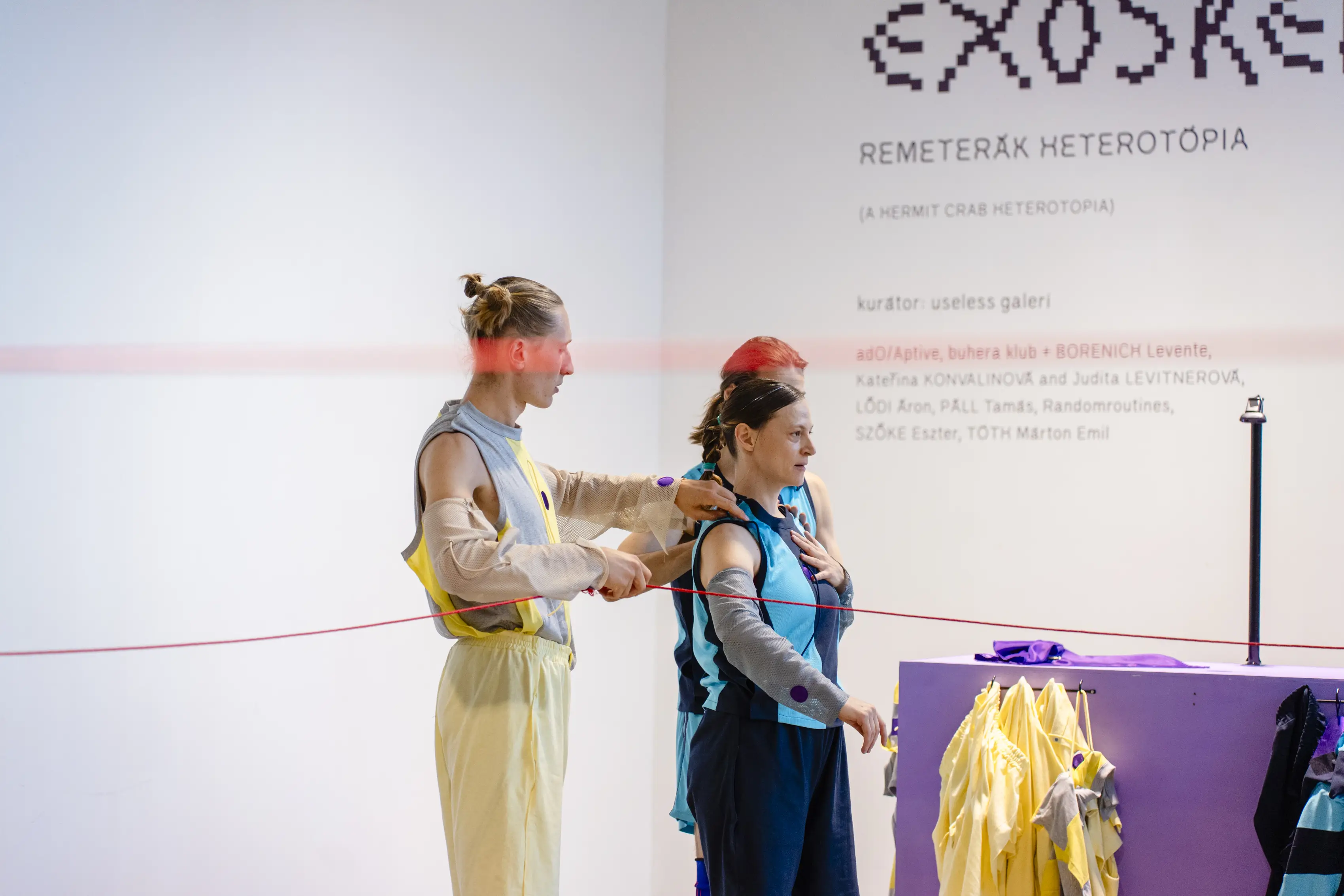
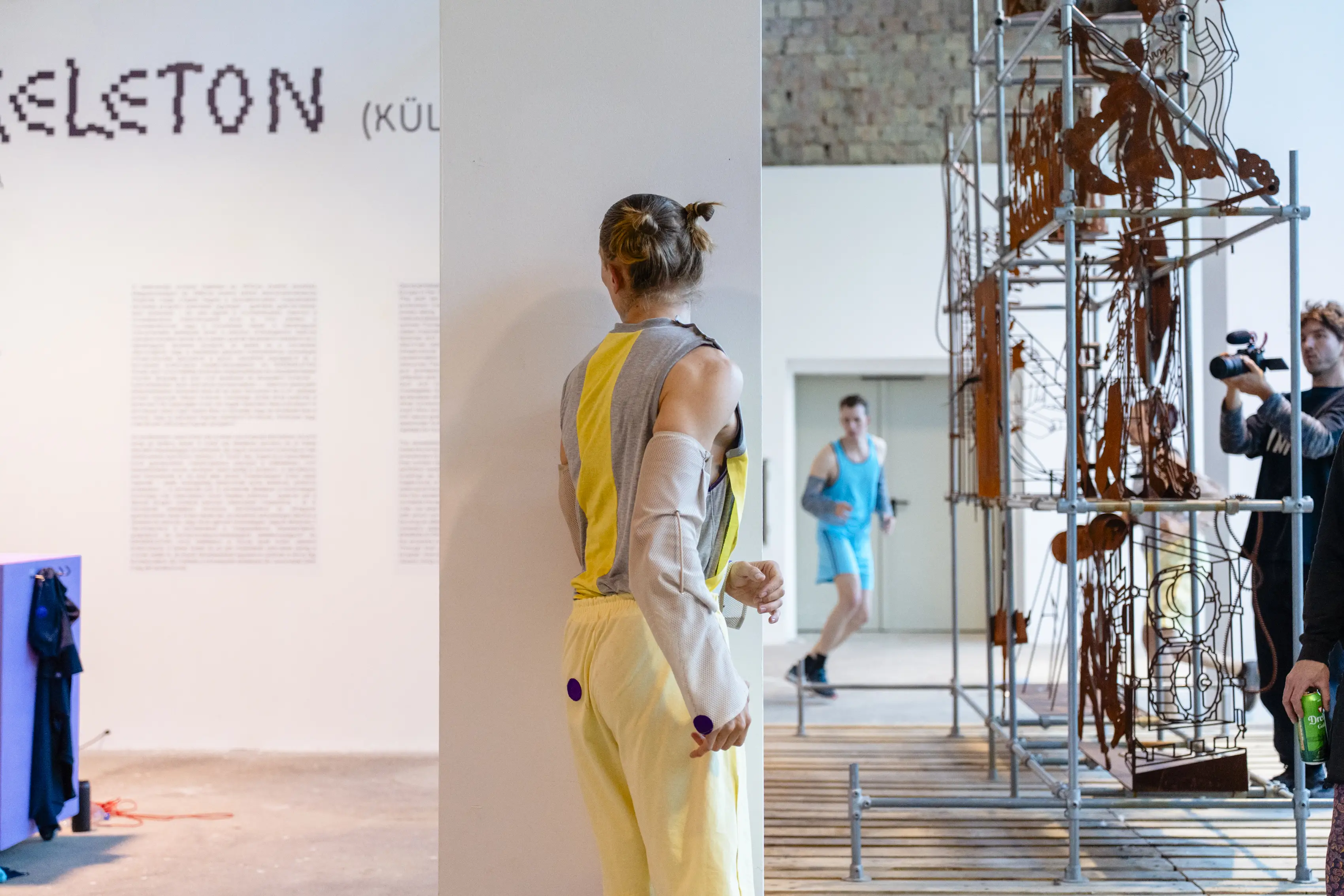
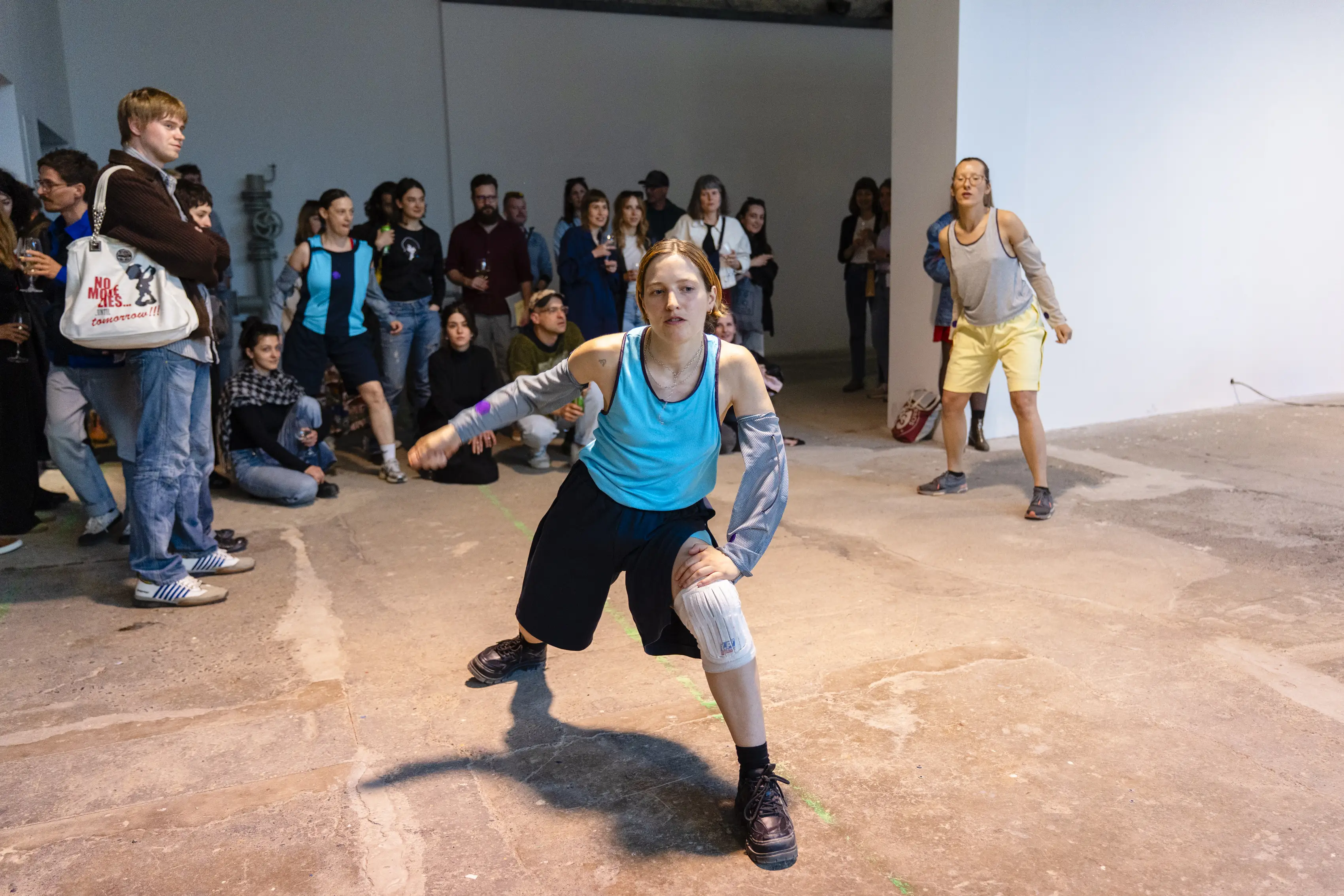
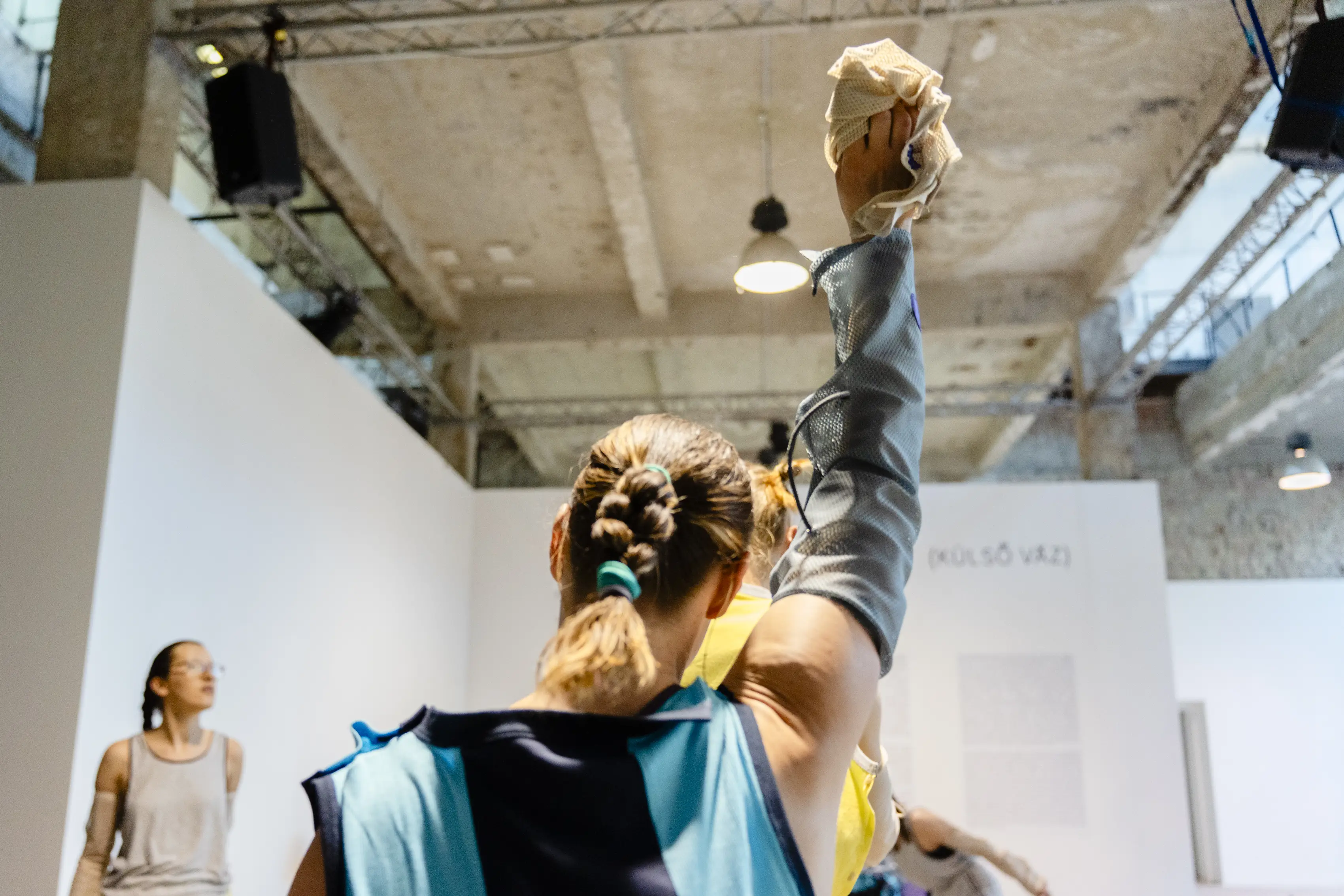
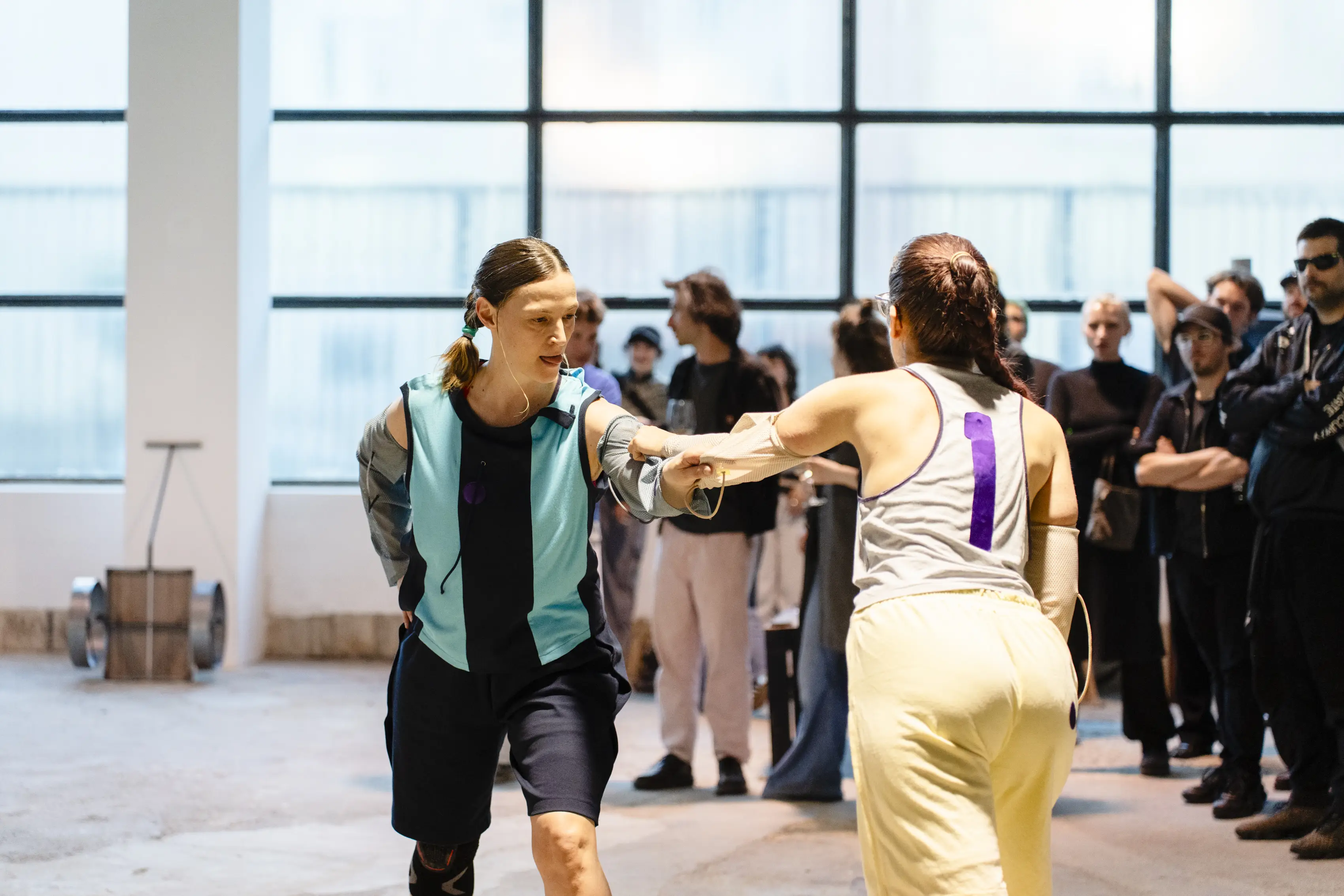
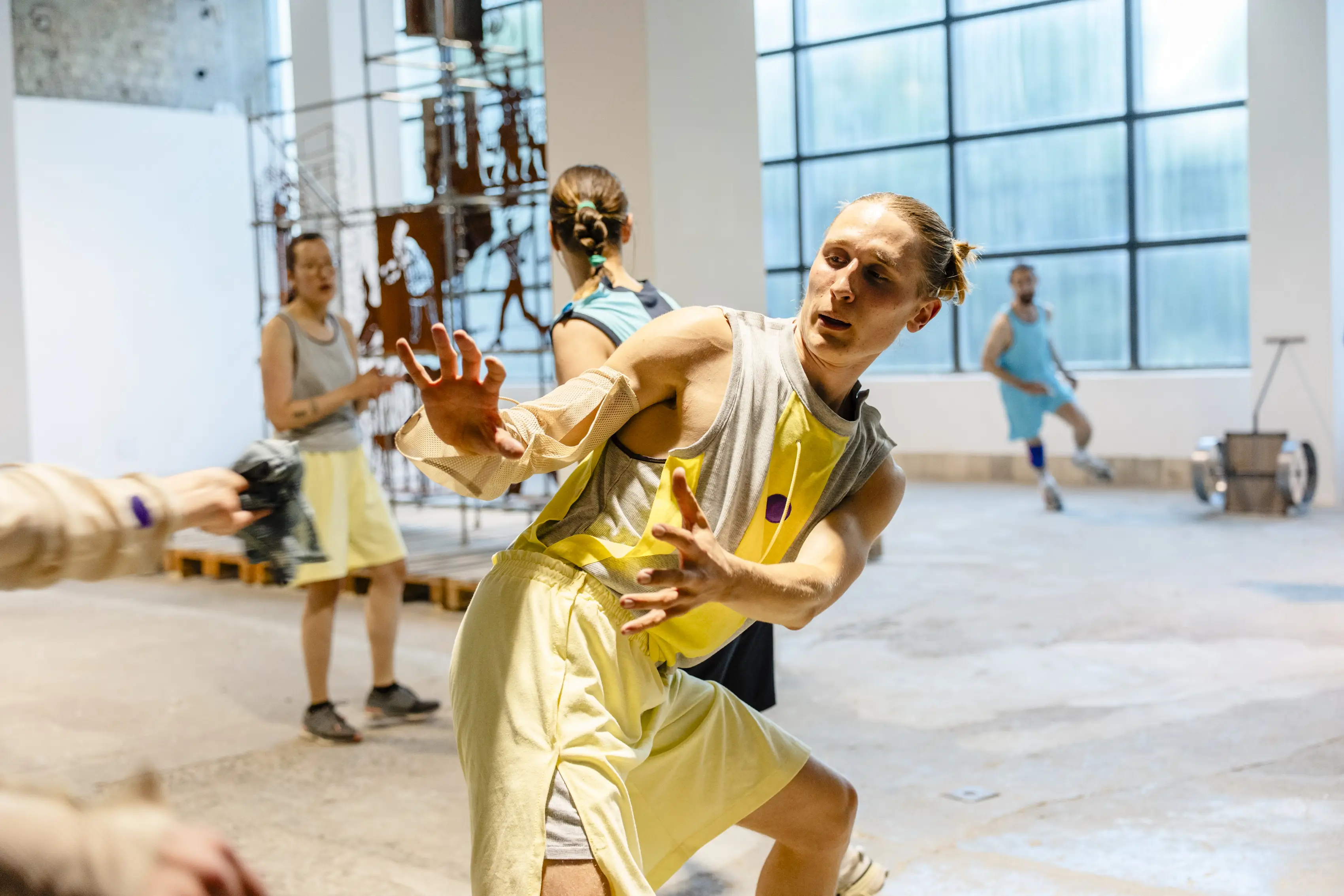
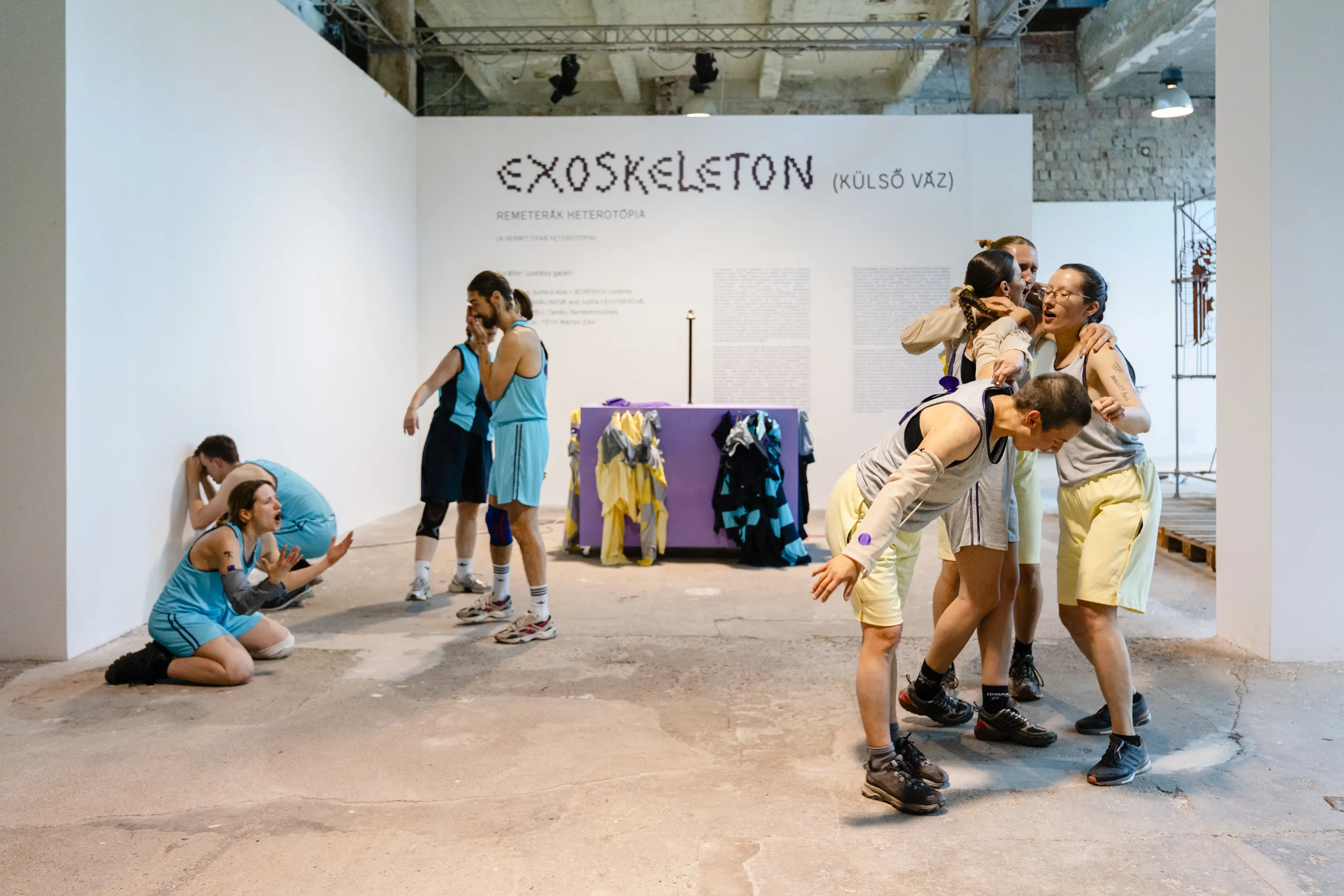
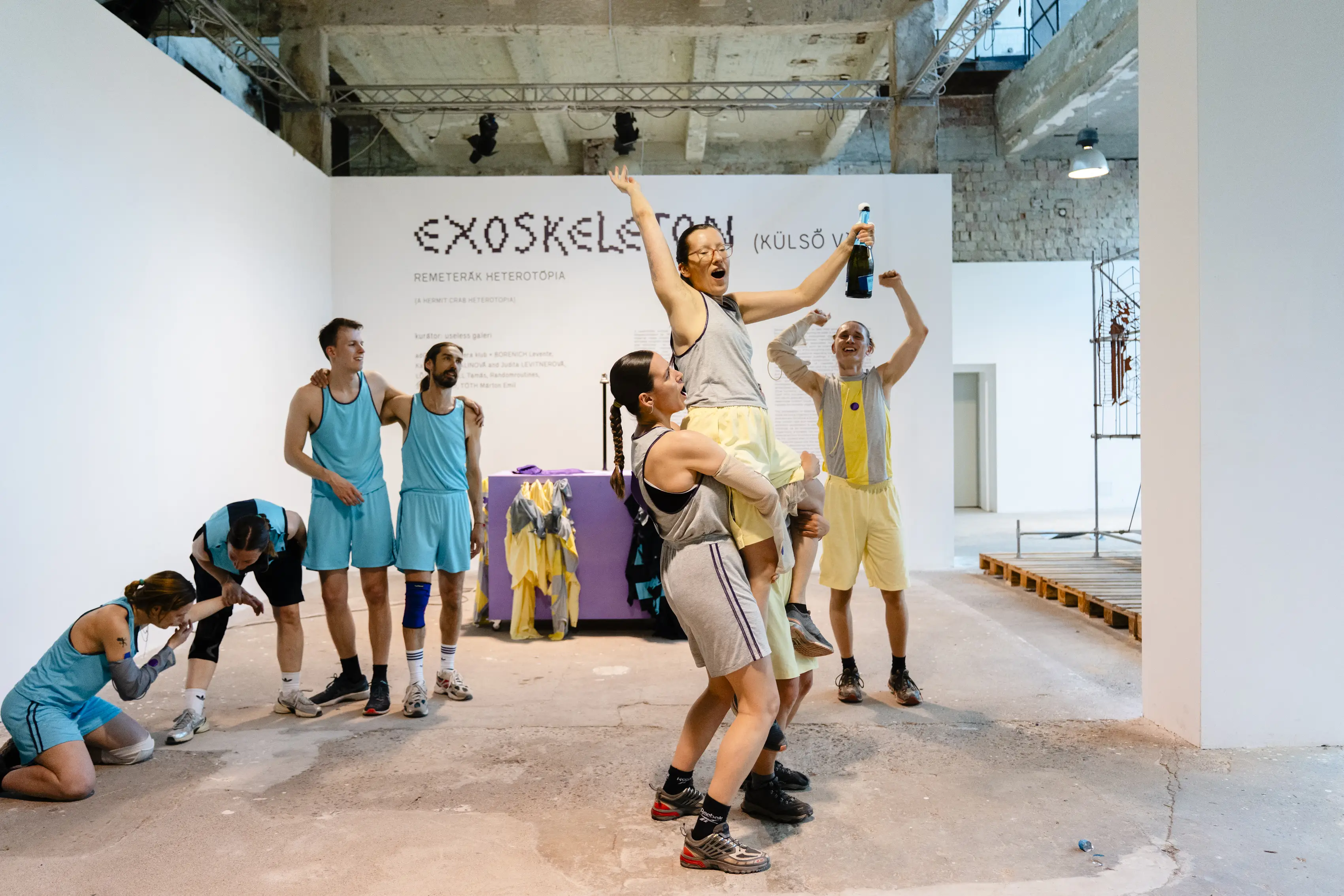
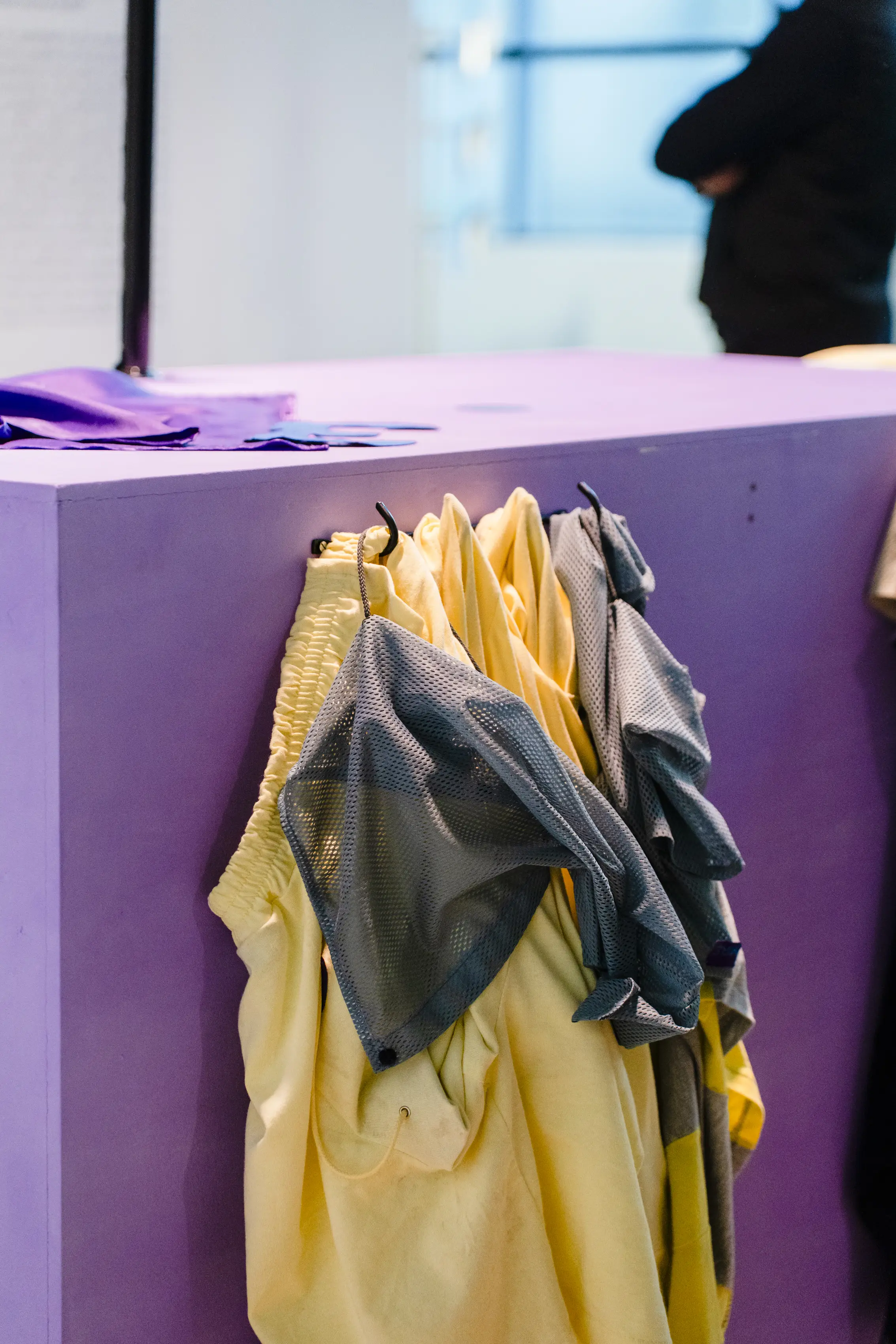
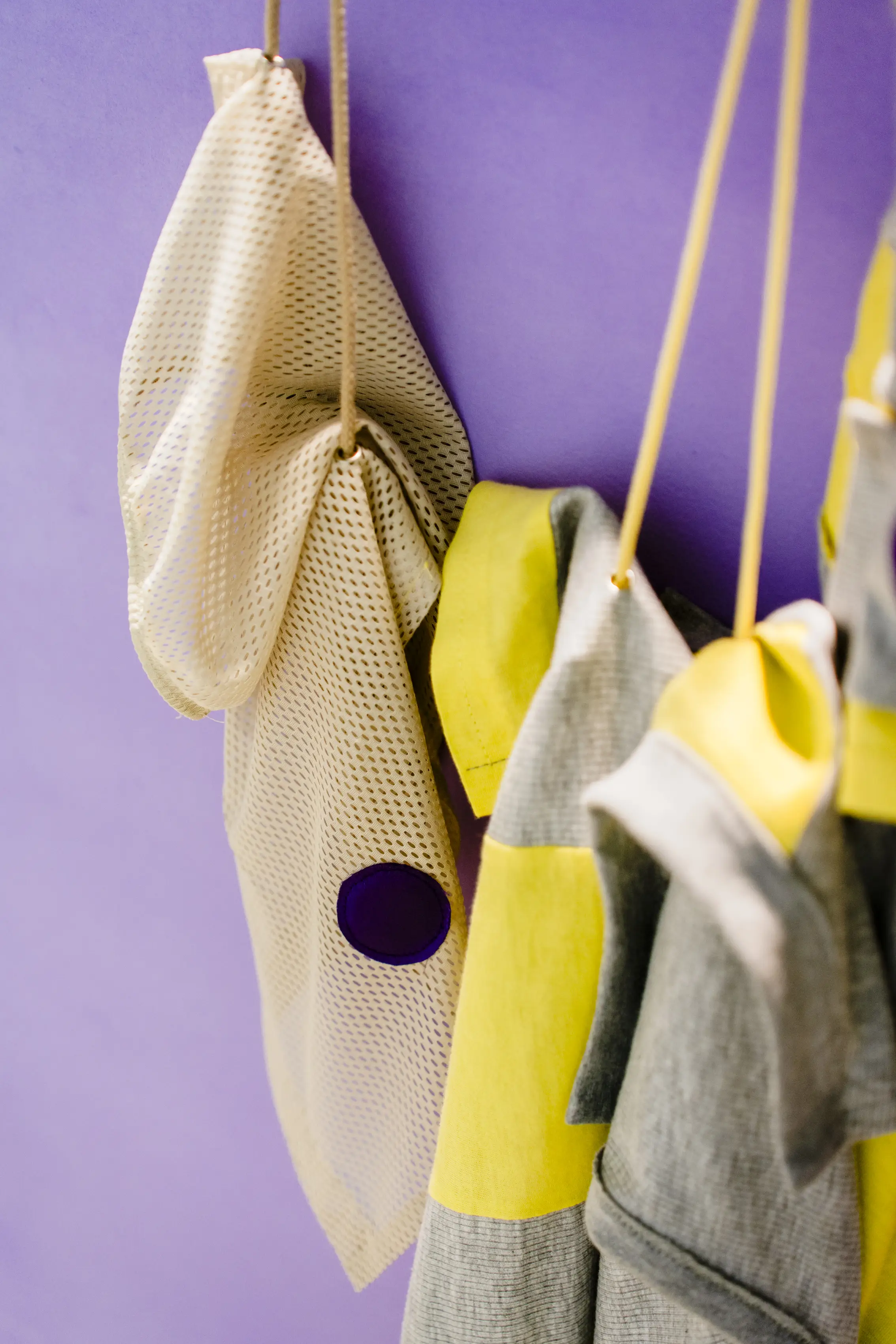
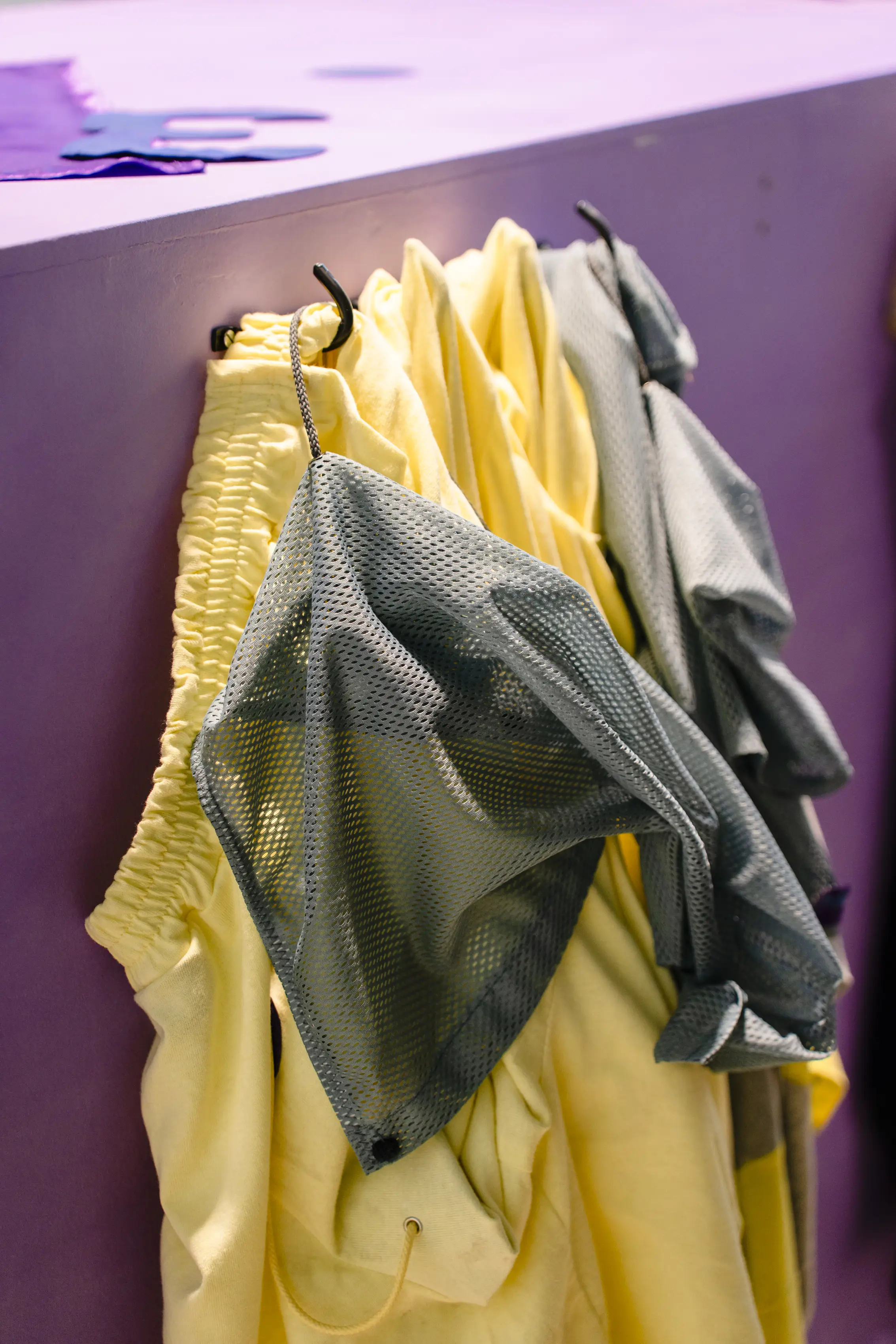
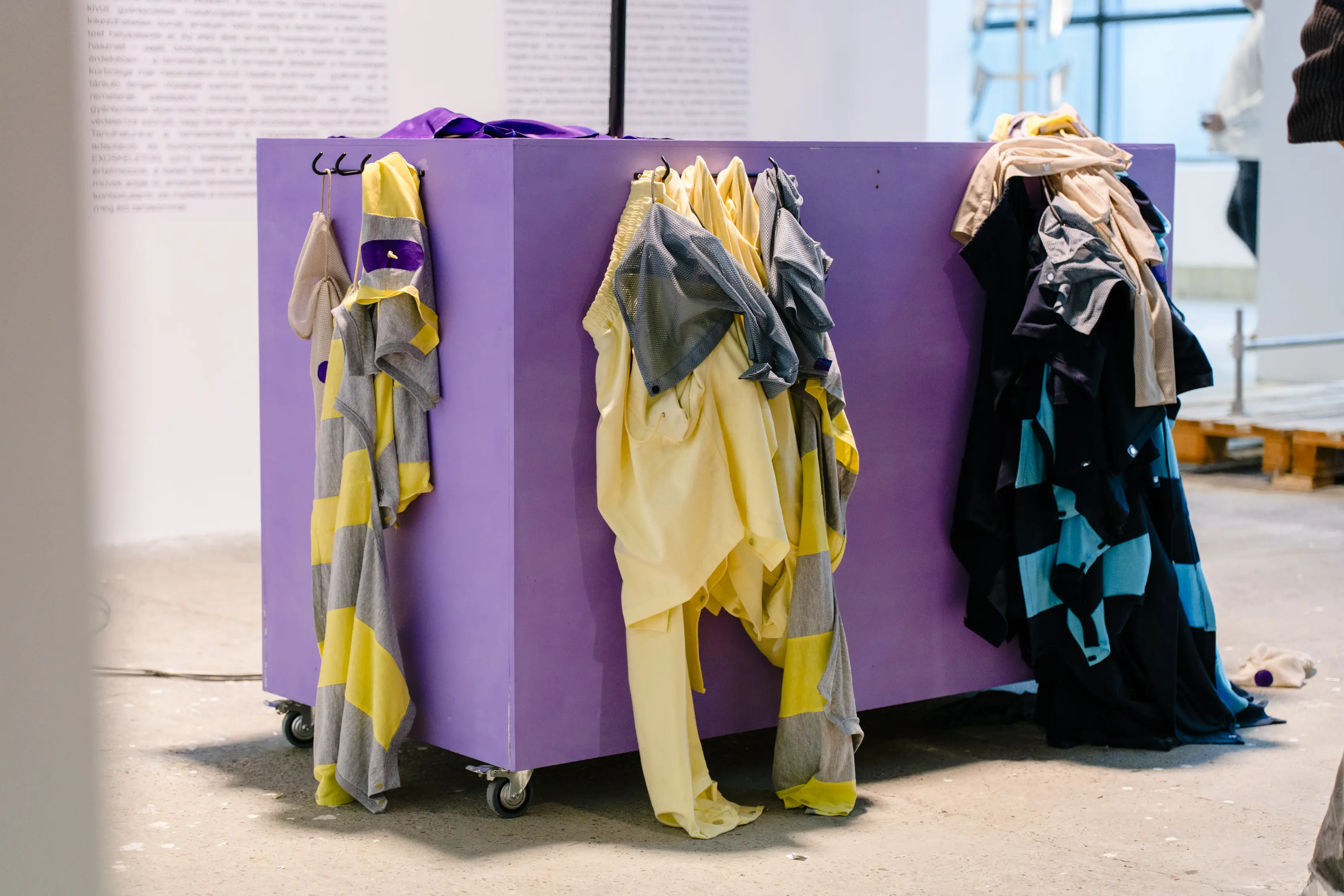
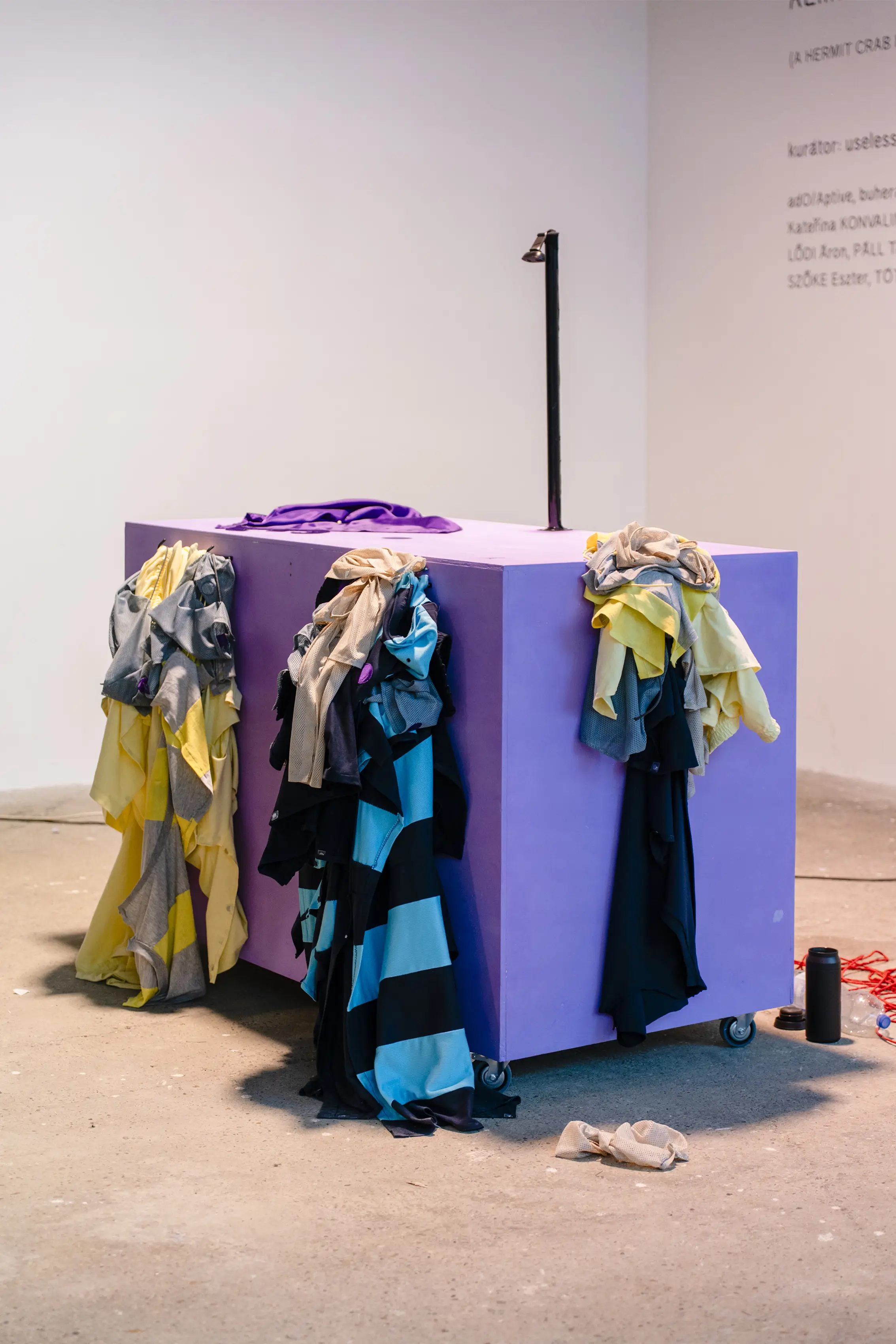
Photos © Photos by Zsuzsi Simon.
May 2025